
Boeing 787 Dreamliner: Innovation in Aviation Efficiency

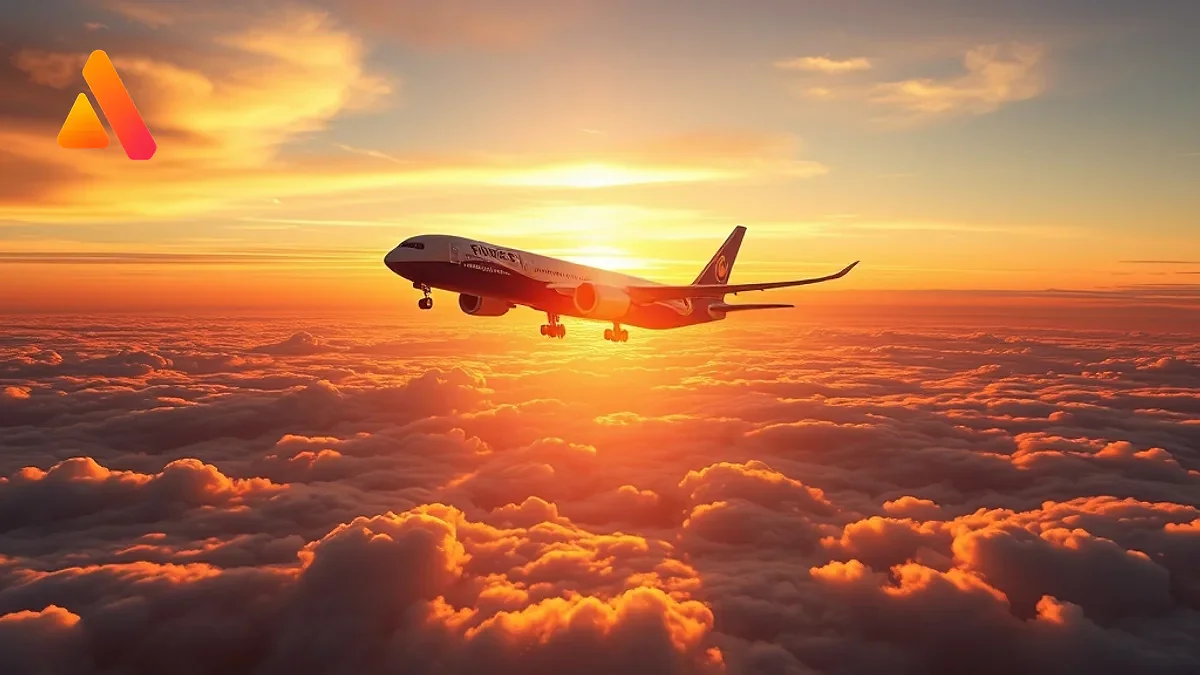
The Boeing 787 Dreamliner represents one of the most significant leaps in modern commercial aviation. More than just a replacement for aging widebody jets, the Dreamliner fundamentally redefined how airlines approach long-haul travel, fuel consumption, and route planning. By shifting the industry paradigm from the traditional "hub-and-spoke" model toward a more flexible "point-to-point" system, Boeing enabled airlines to connect smaller cities across oceans without the need for massive, fuel-hungry aircraft.
Originally announced in January 2003 under the designation 7E7, the aircraft emerged from the ashes of the unconventional Sonic Cruiser project. Boeing's primary objective was clear: to create a jet that offered the lowest operating costs and the highest efficiency for its customers, ensuring that long-distance flight became more sustainable and profitable for carriers worldwide.
Engineering Marvel: The Composite Revolution
The most defining characteristic of the 787 is its groundbreaking construction. It was the first majority carbon-composite airliner, featuring a fuselage constructed primarily from carbon fiber-reinforced polymer (CFRP). While traditional aircraft rely heavily on aluminum, the completed Dreamliner utilizes approximately 80% lightweight composite materials by volume.
Advantages of CFRP Construction
This innovative approach to materials science provided Boeing with several critical design advantages that directly translate to better performance:
- Weight Reduction: The use of composites significantly reduced the overall weight of the airframe, which is the primary driver for fuel efficiency.
- Corrosion and Fatigue Resistance: Unlike aluminum, composite materials do not rust or suffer from the same metal fatigue, reducing the frequency and intensity of heavy maintenance checks.
- Aerodynamic Optimization: Composites allowed engineers to create more complex, curved wing shapes (raked wingtips) that reduce drag and improve lift, further optimizing fuel burn.
Because of this composite structure, Boeing was able to implement design features that were previously impossible. For instance, the airframe requires less internal reinforcement around window frames, allowing for the installation of the largest windows of any commercial airplane. These windows are not only larger but are electronically dimmable, removing the need for plastic shades and allowing passengers to maintain a connection with the outside world.
Redefining the Passenger Experience
Boeing placed an unprecedented emphasis on human biology when designing the Dreamliner. Long-haul flights are often associated with "jet lag" and physical exhaustion, much of which is caused by the artificial environment of the cabin. The 787 addresses this through three primary innovations:
1. Cabin Pressurization and Humidity
In traditional aircraft, cabins are pressurized to an altitude of about 8,000 feet. The 787 is pressurized to a lower altitude (approximately 6,000 feet), which means more oxygen reaches the blood and brain, reducing fatigue and headaches. Furthermore, because composite materials do not corrode like aluminum, Boeing could increase the cabin humidity. Higher humidity prevents the drying of nasal passages and skin, making the journey significantly more comfortable for passengers.
2. Lighting and Visual Comfort
The Dreamliner features advanced LED lighting systems that can simulate different times of the day, helping passengers' circadian rhythms adjust to new time zones more quickly. Combined with the massive windows, this creates a sense of openness and space that reduces the feeling of claustrophobia during 12-hour flights.
3. Noise Reduction
The engineering of the engines and the fuselage materials results in a quieter cabin environment. This reduction in ambient noise lowers passenger stress levels and improves the overall quality of sleep during overnight flights.
Operational Versatility and the Dreamliner Family
The Dreamliner was engineered to be versatile, allowing airlines to open new nonstop routes that were previously economically unviable. By optimizing the balance between aircraft size, passenger demand, and operating costs, Boeing created a family of aircraft to suit different market needs.
The Model Variants
- 787-8: The smallest variant, designed for longer ranges with a smaller passenger load, ideal for pioneering new thin routes.
- 787-9: A stretched version of the -8, offering a balance of increased capacity and extended range, making it the most popular variant for many global carriers.
- 787-10: The largest of the family, designed for high-capacity routes. It offers significantly better fuel efficiency per seat—up to 25% better in some configurations—making it an ideal choice for transatlantic and South American networks.
Depending on the configuration, the aircraft can carry anywhere from 200 to 440 passengers. This flexibility allows airlines to scale their fleet based on seasonal demand and specific route profitability.
Development Timeline and Challenges
The journey from conception to flight was marked by significant milestones and substantial hurdles. Officially launched on April 26, 2004, the aircraft was initially intended for service in May 2008. However, the project faced various delays stemming from its ambitious supply chain model, where Boeing outsourced the manufacture of major components to global partners.
These challenges delayed the first flight and other critical certification stages. Despite these setbacks, the Boeing 787 eventually performed its first flight on December 15, 2009, and received its official certification on April 26, 2010. Since its entry into service in 2011, it has become a cornerstone of modern aviation, utilized by leading airlines to modernize their widebody fleets.
Sustainability and the Future of Aviation
In an era where the aviation industry is under pressure to reduce its carbon footprint, the Dreamliner stands as a benchmark for sustainability. The targeted 20% reduction in fuel burn compared to the Boeing 767 was not just a marketing goal but a technical achievement. By burning less fuel, the aircraft emits less CO2 and NOx per passenger kilometer.
The 787's ability to fly long distances with fewer emissions makes it a strategic asset for airlines aiming for "Net Zero" targets. Its efficiency allows for the growth of global connectivity without a proportional increase in environmental impact, proving that engineering innovation is the key to sustainable flight.
Summary of Key Innovations
- Fuel Efficiency: Achieved a massive reduction in fuel burn, lowering costs and emissions.
- Advanced Materials: Pioneered the use of 80% lightweight composites and CFRP fuselages.
- Passenger Wellness: Lower cabin altitude, higher humidity, and dimmable windows.
- Strategic Flexibility: Enabled point-to-point routing via a versatile three-model family.
Sumber / Sources
Relevant solution
Website Development
Custom website development — fast, modern, ready to sell.
Related Articles

VS Code AI Agents & Remote SSH: 2026 Development Guide
Explore the evolution of VS Code in 2026, from the rise of agentic coding and 'vibe-coding' to the complex realities of SSH remote development and container security.

Robbie Ray's 2026 Season: Impact and Transition to Padres
Explore Robbie Ray's transformative 2026 season, from his trade to the San Diego Padres to his resilience returning from Tommy John surgery with a 13-8 record.

Daisy Ridley: From Star Wars Stardom to Versatile Actress
From her breakout role as Rey in Star Wars to her recent work in films like Cleaner and Magpie, explore the professional journey and artistic evolution of British actress Daisy Ridley.

Otomasi Invoice & Kuitansi dengan AI Document Processing
Ubah proses input invoice manual yang memakan waktu berhari-hari menjadi hitungan jam. Pelajari bagaimana AI Document Processing mengeliminasi human error dan meningkatkan akurasi laporan keuangan.
Dapatkan Artikel Terbaru!
Berlangganan newsletter kami untuk mendapatkan tips dan insight menarik langsung ke inbox Anda.
Kami tidak akan pernah membagikan email Anda (No Spam).