
Crisis Aboard USS Abraham Lincoln: Morale & Supply Shortages

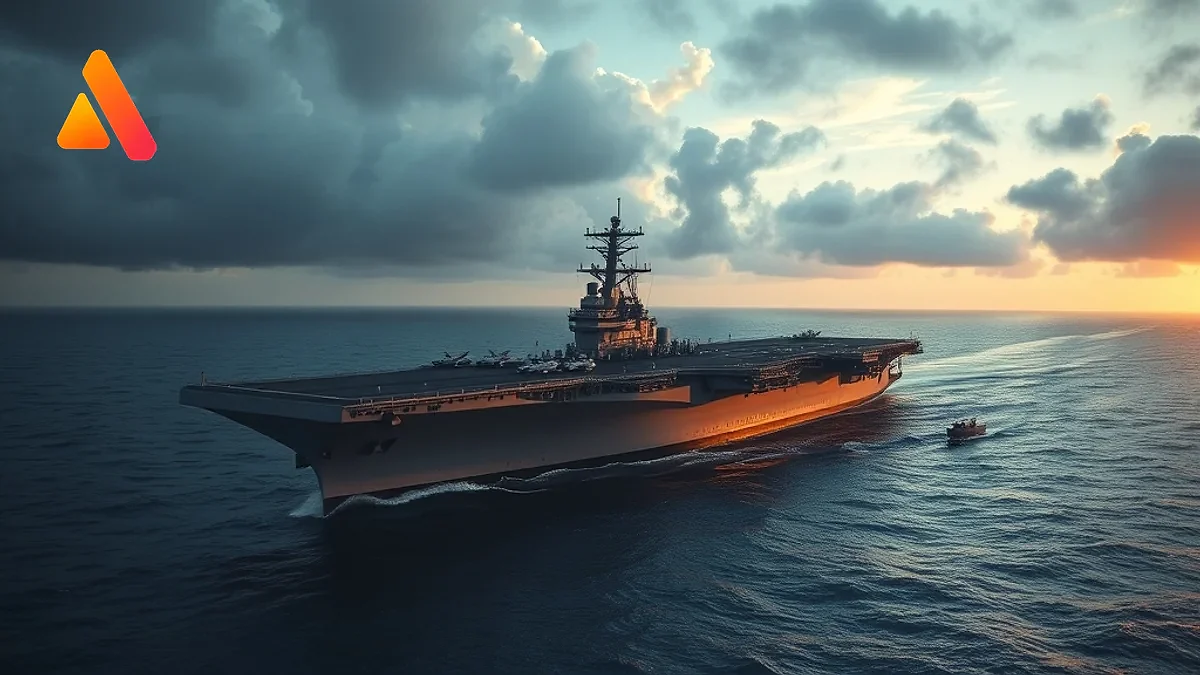
Crisis Aboard USS Abraham Lincoln: Deteriorating Conditions Amid Extended Iran Conflict
The USS Abraham Lincoln, a nuclear-powered aircraft carrier and a cornerstone of U.S. naval power, is currently the center of a growing humanitarian and operational crisis. Reports emerging from the vessel paint a grim picture of plummeting morale, severe supply shortages, and deteriorating living conditions. As the United States continues its high-stakes military engagement in a war with Iran, the crew—comprising thousands of sailors and Marines—finds themselves pushed to the absolute brink of physical and mental endurance.
What began as a standard deployment has evolved into a grueling ordeal. Family members of the service members on board have taken to social media and news outlets to express deep outrage and fear, claiming that the personnel are being neglected while operating in one of the world's most volatile combat zones. The situation has sparked a wider conversation about the sustainability of long-term naval deployments and the vulnerabilities of the U.S. Navy's logistics chain during active conflict.
A Record-Breaking Deployment: The Toll of Constant Sea Time
The operational tempo of the USS Abraham Lincoln has reached levels rarely seen in the modern era. Having departed from San Diego in November, the carrier has operated almost continuously in the Gulf of Oman and the Indian Ocean. The statistics are staggering: the ship spent 208 consecutive days at sea without a single port visit—a feat described by observers as a modern-era record for a U.S. aircraft carrier.
This period of isolation was interrupted only by a brief, functional stop in Guam and a short visit to Oman, neither of which provided the crew with the necessary respite or the opportunity for comprehensive replenishment. The strain has only intensified as the mission was extended twice by command. As of the most recent reports, the vessel has been at sea for 237 days, with a total deployment duration reaching 258 days. For many sailors, the reality is that they have spent nearly nine months away from their families, trapped in a high-stress environment with no end in sight.
Critical Supply Shortages and Sanitation Failures
While the length of the deployment is a significant burden, the lack of basic necessities has turned a difficult mission into a crisis. Reports from military families and investigative reporting by MS NOW indicate that the crew is facing critical shortages of items that are typically guaranteed on a U.S. Navy vessel. These shortages include:
- n
- Food Supplies: Reports of food rationing and low-quality rations have surfaced, with some leaked images suggesting that the food being served is substandard, leading to concerns over malnutrition and starvation among the crew.
- Basic Hygiene Products: Sailors have reported a lack of soap, toothpaste, and deodorant, making it nearly impossible to maintain basic personal hygiene.
- Essential Utilities: There have been widespread reports of a lack of hot water, which is essential for both sanitation and morale in the taxing environment of a carrier.
Beyond the lack of consumables, the physical infrastructure of the ship is reportedly failing. Family members have cited the prevalence of moldy showers and unsanitary living quarters. In the cramped, humid environment of a nuclear carrier, the presence of mold is not just a matter of discomfort but a significant health risk, contributing to respiratory issues and general physical distress for the 5,000 Sailors and Marines on board.
Operational Strain: 10,000 Sorties and Mechanical Wear
The deterioration of living conditions is mirrored by the mechanical strain on the vessel itself. The USS Abraham Lincoln has not been idling; it has been the tip of the spear in the conflict with Iran. Since leaving San Diego, the ship's air wing has launched an incredible 10,000 sorties. Each takeoff and landing places immense stress on the flight deck and the ship's internal systems.
This relentless operational pace means that maintenance crews are likely working overtime to keep the aircraft and the ship operational, further adding to the fatigue of the personnel. When the people responsible for the ship's upkeep are themselves suffering from food shortages and sleep deprivation, the risk of operational failure or catastrophic accidents increases exponentially.
The Psychological Breaking Point: Plummeting Morale
The combination of physical hardship and psychological isolation has led to a collapse in morale. The mental toll of waging a war in a high-risk zone while feeling abandoned by the logistical support of their own government is profound. Sailors are not only fighting an external enemy but are also battling exhaustion, hunger, and the emotional weight of being separated from their families for nearly a year.
"Families of the sailors and Marines aboard the USS Abraham Lincoln are scared for their loved ones as the carrier enters its ninth month at sea... the conditions continue to deteriorate for 5,000 U.S. Marines and Sailors fighting in a war that no one wanted."
Family members have expressed outrage, fearing that the crew has reached a breaking point. The sentiment is that the personnel are being treated as expendable assets rather than human beings. This internal crisis is further complicated by external threats, as Iran's IRGC has issued strong warnings against the approach of the Abraham Lincoln combat group, adding a layer of constant combat anxiety to the existing misery.
Broader Implications for the U.S. Navy
The situation aboard the USS Abraham Lincoln exposes deep vulnerabilities within the U.S. Navy's current operational strategy. The reliance on extended deployments to maintain a presence in the Middle East is clearly straining the force to a degree that may be unsustainable. If a premier nuclear-powered carrier cannot guarantee basic food and hygiene for its crew, it raises questions about the readiness of the entire fleet.
Critics argue that the Pentagon's failure to provide adequate logistics and timely rotations is a strategic blunder that undermines the very strength the U.S. seeks to project. As leaked images of "bad food" and reports of moldy showers go viral, the Navy faces a public relations disaster and a potential recruitment crisis, as the reality of modern deployment is laid bare for the world to see.
Sumber / Sources
- USS Abraham Lincoln Faces Poor Morale From Twice Extended Deployment
- Families say sailors on the USS Abraham Lincoln are struggling
- Military families are outraged by conditions on USS Lincoln - MS NOW
- Morale plummets on USS Abraham Lincoln: US sailors reaching a ... - WION
- Sailors on the USS Abraham Lincoln report shortages of food, deodorant ...
- Sailors on USS Lincoln outside Iran are exhausted and suffering ...
Relevant solution
Website Development
Custom website development — fast, modern, ready to sell.
Related Articles
USS Abraham Lincoln (CVN 72): Misi dan Krisis di Timur Tengah
USS Abraham Lincoln (CVN 72) menghadapi tantangan ganda di Timur Tengah: serangan rudal balistik dari Iran dan krisis kesejahteraan awak kapal yang memicu tragedi internal.

Ancaman Agen Asing & AI dalam Keamanan Global 2026
Analisis mendalam mengenai ancaman Agentic AI dan operasi agen asing di tahun 2026. Temukan bagaimana Rusia menggunakan AI untuk drone otonom dan strategi global menghadapi disinformasi.

arXiv Jadi Organisasi Nirlaba Independen: Dana $17,2 Juta
arXiv bertransformasi menjadi organisasi nirlaba independen berkat pendanaan filantropi sebesar $17,2 juta. Simak bagaimana langkah ini memperkuat akses terbuka riset global.

Robbie Ray's 2026 Season: Impact and Transition to Padres
Explore Robbie Ray's transformative 2026 season, from his trade to the San Diego Padres to his resilience returning from Tommy John surgery with a 13-8 record.
Dapatkan Artikel Terbaru!
Berlangganan newsletter kami untuk mendapatkan tips dan insight menarik langsung ke inbox Anda.
Kami tidak akan pernah membagikan email Anda (No Spam).