
FDA Authorizes Abbott's First Dual Glucose-Ketone Monitor

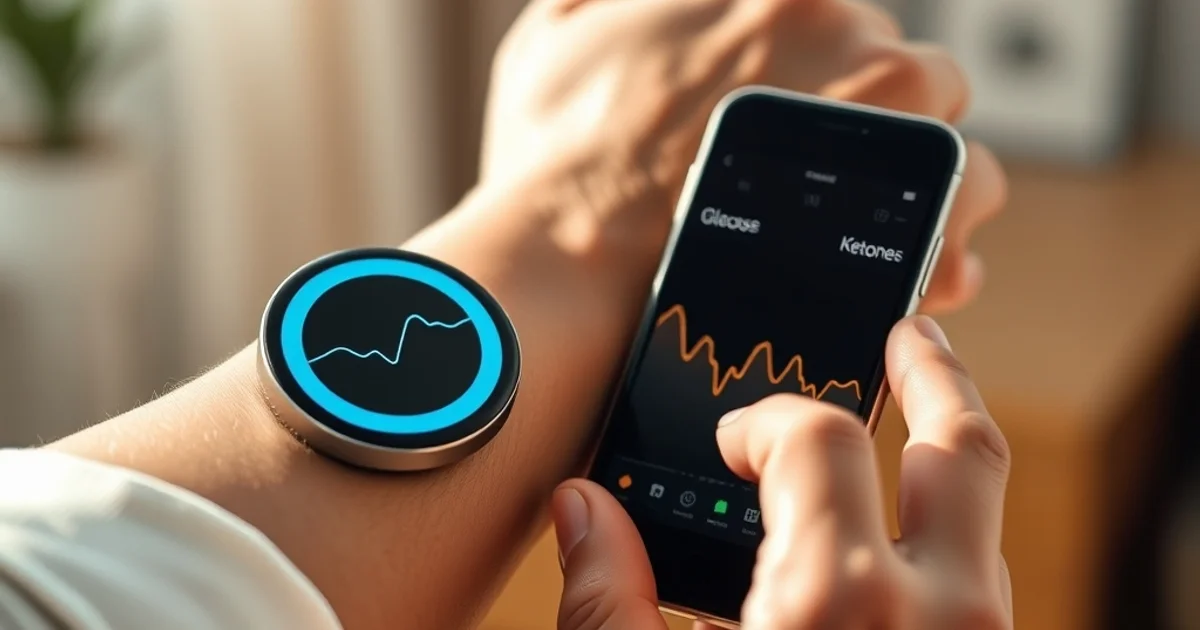
Key Takeaways
- The FDA has authorized the Libre Duo 10 Day, the first wearable device in the U.S. to continuously monitor ketone levels.
- It is the first device globally to continuously monitor both blood sugar (glucose) and ketones in a single wearable.
- The system is authorized for use by people with diabetes aged 2 years and older.
- The technology helps detect rising ketone levels that can lead to diabetic ketoacidosis (DKA).
A Paradigm Shift in Diabetes Management
The landscape of metabolic health monitoring has undergone a transformative shift. The U.S. Food and Drug Administration (FDA) has announced the authorization of a first-of-its-kind biowearable designed to drastically enhance the monitoring capabilities for individuals living with diabetes. The Libre Duo 10 Day Continuous Dual Glucose Ketone Monitoring System, developed by Abbott, marks a significant milestone in medical technology. It stands as the first device in the world to provide continuous monitoring of both blood sugar (glucose) and ketone levels simultaneously within a single wearable sensor.
For decades, diabetes management has relied heavily on glucose monitoring. While Continuous Glucose Monitors (CGMs) have already revolutionized care, the addition of ketone tracking represents a new frontier. PublicNow reports that the Libre Duo 10 Day is the first wearable device in the United States to continuously monitor ketone levels, effectively bridging a critical gap in patient diagnostics and emergency prevention.
Expanding Monitoring Capabilities and Clinical Utility
While glucose monitoring is a standard pillar of diabetes care, the Libre Duo 10 Day introduces a new parameter for patient health: real-time ketone trends. This integration is not merely a convenience but a clinical necessity for high-risk populations. Pharmacy Times notes that this adds a critical monitoring dimension for pharmacists counseling individuals with diabetes, allowing for more precise guidance based on live data rather than sporadic finger-stick or urine tests.
The device is specifically authorized for use in people aged 2 years and older who are living with diabetes. By integrating these two metrics into one system, Abbott aims to provide essential health data without adding an additional burden to the daily lives of users. This is particularly impactful for pediatric patients, as Contemporary Pediatrics highlights that the authorization extends this dual-monitoring capability to children, who often face unique challenges in maintaining metabolic stability.
The Role of Continuous Ketone Tracking
Ketones are chemicals the liver produces when the body breaks down fats for energy instead of glucose. While some ketone production is normal, excessively high levels in people with diabetes can be life-threatening. PatientCareOnline explains that for clinicians, the device introduces an entirely new monitoring category: continuous dual glucose-ketone monitoring. This allows healthcare providers to move beyond reactive care to a proactive model.
Practical counseling for patients using this technology will likely shift. PatientCareOnline suggests that clinical guidance will now need to emphasize what rising ketone alerts specifically mean, when patients should trigger their "sick-day protocols," when to contact their primary care team, and exactly when symptoms warrant an urgent evaluation at an emergency department.
Preventing Diabetic Ketoacidosis (DKA)
The ability to monitor ketones continuously is vital for the prevention of severe health crises, most notably diabetic ketoacidosis (DKA). DKA is a serious, potentially fatal condition that occurs when the body produces excess blood ketones, making the blood acidic. Abbott explains that the Libre Duo 10 Day helps detect rising ketone levels early, providing a window of opportunity for intervention before the condition reaches a critical state.
Previously, ketone monitoring often required invasive blood tests or inconvenient urine strips, which only provided a snapshot in time. The FDA's authorization of this wearable allows for the detection of dangerous trends in real-time. By addressing this critical gap, the system provides a seamless way to track metabolic shifts that could signal the onset of DKA, potentially reducing hospitalizations and emergency room visits for those with Type 1 and Type 2 diabetes.
Industry Impact and the Future of Biowearables
The authorization, announced on Tuesday, August 25, 2026, positions Abbott as a clear leader in dual-sensing technology. Reuters confirms that the FDA's decision makes this the first device of its kind to continuously monitor both ketone levels and blood sugar. This development represents a broader shift toward more comprehensive, integrated wearable sensors in the healthcare sector.
The medical community is moving beyond single-metric tracking. The Libre Duo 10 Day exemplifies the transition toward a more holistic view of a patient's metabolic state. Instead of viewing glucose in isolation, clinicians can now see the relationship between glucose levels and ketone production in real-time. This integrated approach allows for a more nuanced understanding of how insulin, diet, and illness affect the body's chemistry.
Furthermore, the FDA's official announcement emphasizes that this technology is a significant step forward in patient safety. By combining these two sensors into one wearable, the burden of care is reduced, which typically leads to higher patient compliance and better long-term health outcomes. The ability to track these metrics continuously means that the "blind spots" in diabetes management—the periods between manual tests—are finally being eliminated.
Conclusion: A New Standard of Care
The authorization of the Libre Duo 10 Day is more than just a product launch; it is the establishment of a new standard of care for diabetes management. By empowering patients and providers with simultaneous data on glucose and ketones, the medical community can now fight DKA with unprecedented precision. As wearable technology continues to evolve, the integration of multiple metabolic markers will likely become the norm, leading to a future where chronic disease management is predictive, personalized, and far less intrusive.
Sumber / Sources
- FDA Authorizes First Wearable Device That Continuously Monitors Both ...
- FDA Authorizes First Wearable Device to Continuously Monitor Glucose ...
- FDA Clears First Continuous Glucose-Ketone Monitor
- August 25, 2026 - FDA Authorizes First Wearable Device That ...
- Abbott receives FDA authorization for world's first dual glucose-ketone ...
Relevant solution
ePWS Puskesmas
Digital reporting for public health centers (Puskesmas).
Related Articles
FDA Berikan Otorisasi untuk Libre Duo 10 Day: Perangkat Wearable Pertama Pemantau Glukosa dan Keton
FDA telah mengotorisasi Libre Duo 10 Day dari Abbott, perangkat wearable pertama di dunia yang mampu memantau kadar glukosa dan keton secara berkelanjutan bagi penderita diabetes usia 2 tahun ke atas.

Visit Eden Prairie, MN: A Guide to Parks, Schools & Living
Discover Eden Prairie, Minnesota: a premier family-friendly city featuring 170+ miles of trails, top-rated schools, and the famous Eden Prairie Center.

Arsitektur Pipeline AI Document Processing untuk Production
Bangun sistem AI Document Processing yang scalable dan tahan banting. Pelajari arsitektur pipeline dari upload file, Redis Queue, hingga ingestion database untuk beban produksi nyata.

Keamanan Data AI Document Processing: Lokal vs API Publik
Jangan pertaruhkan data rahasia perusahaan pada API publik. Pelajari mengapa implementasi AI Document Processing secara self-hosted di server lokal adalah solusi terbaik untuk menjaga privasi dan kepatuhan data.
Dapatkan Artikel Terbaru!
Berlangganan newsletter kami untuk mendapatkan tips dan insight menarik langsung ke inbox Anda.
Kami tidak akan pernah membagikan email Anda (No Spam).