
Frontier Airlines Passengers Stranded in Knoxville

Key Takeaways
- A Frontier Airlines flight from Detroit to Atlanta was diverted to Knoxville on Friday due to severe weather.
- Passengers were stranded overnight after the flight crew reached their legal duty limits, leading to the flight's cancellation.
- The diversion took place at Knoxville's McGhee Tyson Airport.
Weather Diversion Leads to Overnight Stranding in Tennessee
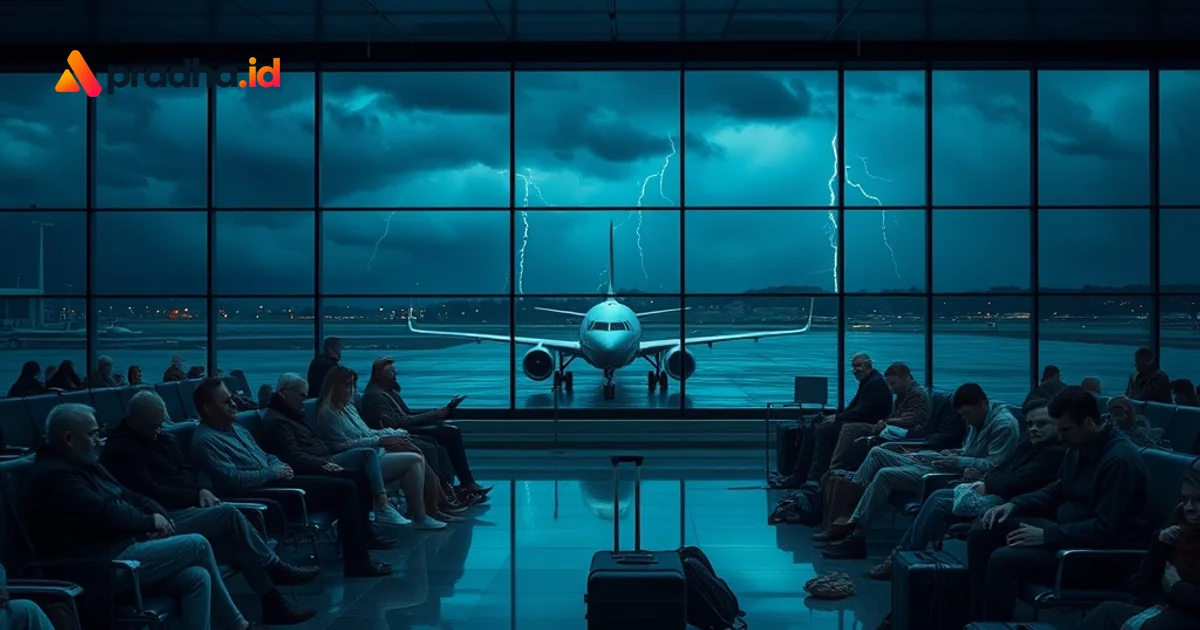
Travelers on a Frontier Airlines flight originating in Detroit and destined for Atlanta experienced a harrowing disruption on Friday when severe weather patterns forced the aircraft to deviate from its planned flight path. Rather than reaching the hub in Atlanta, the aircraft was forced to make an emergency diversion to McGhee Tyson Airport in Knoxville, Tennessee.
While diversions are a standard safety procedure in the aviation industry to avoid hazardous weather, the initial landing in Knoxville was only the beginning of a cascading series of logistical failures. What was intended to be a brief detour quickly evolved into an overnight ordeal for the passengers on board, leaving many to navigate the challenges of an unplanned stay in a city where they had no prior arrangements.
The Critical Role of Crew Duty Limits and Flight Cancellation
The transition from a simple weather diversion to a full-scale stranding occurred due to the strict regulatory environment governing pilot and crew work hours. InsideFlyer reports that the flight was subsequently canceled because the crew hit their mandatory legal duty time constraints. In the aviation industry, these limits are non-negotiable safety requirements designed to prevent pilot fatigue, which can lead to catastrophic errors.
When a crew "times out," they are legally prohibited from operating the aircraft further, regardless of how close they are to their destination or how many passengers are waiting. In this instance, the time spent battling severe weather and managing the diversion to Knoxville exhausted the crew's legal duty window. Because Frontier Airlines was unable to provide a replacement crew in Knoxville in a timely manner, the flight was officially canceled, leaving passengers stuck in Tennessee overnight.
Passenger Impact and Lack of Transport Options
The sudden cancellation left travelers in a precarious position. WBIR reports that passengers expressed being stuck in the city overnight following the diversion, facing a significant lack of transport options. For many, the realization that they would not be reaching Atlanta on Friday evening came only after the crew timeout was confirmed, leaving them to scramble for lodging and food in a city where they were strangers.
The emotional and financial toll of such disruptions is often amplified when dealing with ultra-low-cost carriers. The evening flight, which was intended to reach Atlanta, never made it to its planned destination, resulting in significant travel delays and missed connections for those on board. Passengers reported frustration over the lack of immediate solutions provided by the airline to mitigate the impact of the overnight stay.
Broader Implications for Ultra-Low-Cost Carrier (ULCC) Support
This incident is not an isolated case of weather-related delays but rather a highlight of the systemic vulnerabilities associated with the ULCC business model. The Traveler notes that the situation has raised fresh questions about low-cost carrier disruption support. Unlike full-service airlines, which may have more robust networks and larger standby crews to handle diversions, ULCCs often operate with leaner resources, making them more susceptible to "crew timeout" scenarios during irregular operations (IROPS).
The Traveler further highlights that this diversion leaves passengers overnight in Tennessee, underscoring ongoing concerns over how ultra-low-cost carriers handle the aftermath of a diversion. When a flight is canceled due to crew timing out, the responsibility for re-accommodation often falls heavily on the passenger, especially if the initial cause (weather) is classified as an "act of God," which typically exempts airlines from providing hotel vouchers or meal reimbursements under many contract-of-carriage agreements.
Understanding the "Crew Timeout" Phenomenon
To the average traveler, the concept of a crew timing out can seem like a bureaucratic technicality, but it is a cornerstone of aviation safety. Federal Aviation Administration (FAA) regulations strictly dictate the maximum number of hours a flight crew can be on duty. This includes pre-flight briefings, taxiing, flight time, and delays on the tarmac.
In the case of the Detroit-to-Atlanta flight, the severe weather likely caused significant delays or required a longer flight path to avoid storms. By the time the aircraft touched down in Knoxville, the crew had likely exhausted most of their legal window. Once that limit is hit, the aircraft is effectively grounded until a fresh crew can be flown in or the current crew has had the legally required rest period. Simple Flying confirms that the passengers were stranded overnight specifically because the crew reached these legal duty limits following the weather-forced diversion.
Navigating Travel Disruptions: Lessons for Passengers
The Knoxville incident serves as a reminder for travelers to be prepared for the inherent risks of budget air travel. When flying with carriers that have limited staffing and fewer aircraft in the fleet, the risk of a "domino effect" during weather events is higher. Experts suggest that passengers maintain comprehensive travel insurance that covers "trip delay" or "trip interruption," as this can provide the funds necessary for emergency hotels and meals when an airline declines to provide them.
Furthermore, understanding the difference between a "controllable" delay (such as a mechanical failure) and an "uncontrollable" delay (such as severe weather) is crucial. In the Frontier case, the weather triggered the diversion, and the crew timeout was a result of that weather. This distinction often determines whether a passenger is entitled to compensation or assistance from the airline.
Conclusion
The stranding of Frontier Airlines passengers in Knoxville is a stark example of how a single weather event can trigger a chain of operational failures. From the initial diversion at McGhee Tyson Airport to the eventual crew timeout and overnight stranding, the event highlights the fragile balance between safety regulations and passenger convenience. As travelers continue to opt for low-cost alternatives, the industry faces increasing pressure to improve its support systems for passengers caught in the middle of operational disruptions.
Sumber / Sources
- Frontier Airlines Passengers Stranded Overnight After Crew Timeout ...
- Passengers stranded overnight Friday after Frontier flight diverted to ...
- Frontier flight diverted, passengers stranded overnight - InsideFlyer
- Frontier passengers stranded overnight in Knoxville after flight ...
- Frontier Airlines flight diverts to Knoxville, leaving passengers ...
Relevant solution
Website Development
Custom website development — fast, modern, ready to sell.
Related Articles

What is 'Frontier'? Meaning in Finance, AI, and Aviation
From the volatility of frontier capital markets to the rise of agentic AI and aviation upgrades, explore how the term 'Frontier' defines the cutting edge of global industry.

SSC Napoli: Sejarah, Skuad, dan Kejayaan Klub Italia
Jelajahi profil lengkap SSC Napoli, dari kemegahan Stadion Diego Armando Maradona hingga strategi transfer pemain dan analisis performa di Serie A. Temukan alasan mengapa klub ini menjadi kebanggaan Italia.

FC Bayern München: Raksasa Bundesliga & Ikon Wisata Munchen
Jelajahi kejayaan FC Bayern München, dari dominasi Treble di Bundesliga hingga pesona Allianz Arena. Temukan bagaimana raksasa Jerman ini menjadi ikon wisata utama di kota Munchen.

Racing Santander vs Alaves: LaLiga Preview & Predictions
Racing Santander hosts second-place Alavés at El Sardinero on September 12, 2026. Can the promoted hosts stop a team with a perfect 10-point start to the season?
Dapatkan Artikel Terbaru!
Berlangganan newsletter kami untuk mendapatkan tips dan insight menarik langsung ke inbox Anda.
Kami tidak akan pernah membagikan email Anda (No Spam).