
House Passes Sunshine Protection Act: Permanent DST Explained

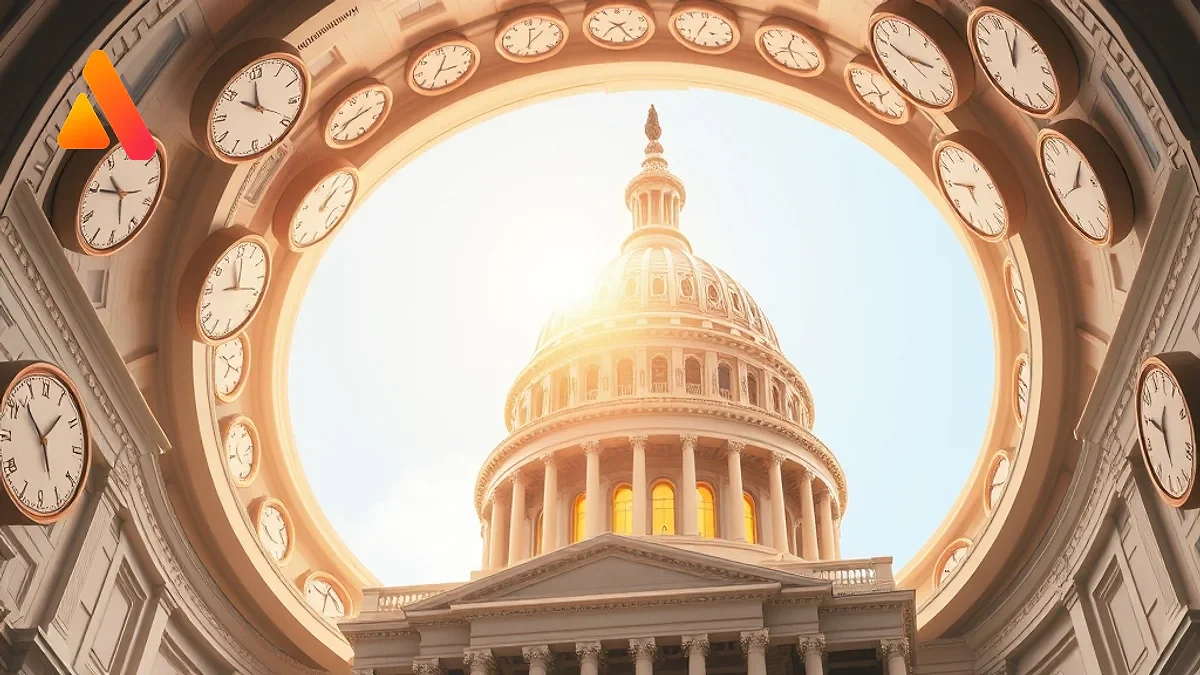
The U.S. House of Representatives has taken a monumental step toward ending the decades-old tradition of shifting clocks twice a year. In a decisive move on Tuesday, July 14, 2026, the lower chamber passed the Sunshine Protection Act, a bipartisan bill designed to make Daylight Saving Time (DST) the permanent standard for the entire United States. The vote, which concluded 308-117, reflects a growing political consensus that the current system of alternating between Standard Time and Daylight Saving Time is an outdated relic of the past.
The Drive to "Lock the Clock"
The push for permanent daylight saving time is not merely a political whim but a response to widespread public frustration. For years, Americans have complained about the disruption caused by the biannual time shift, which often leads to sleep deprivation, increased traffic accidents, and a general sense of disorientation during the transition periods.
According to recent polling data, a significant majority of the American public supports the idea of "locking the clock." Approximately 56 percent of American adults favor permanent daylight saving time, while a small minority of only 12 percent prefer to maintain the current practice of changing clocks. This gap in public opinion has provided the necessary momentum for legislators to act.
"Permanent daylight saving time will improve public safety, promote healthier and more active lifestyles and give families more daylight to enjoy after work and school," stated Congressman Buchanan, a key proponent of the legislation.
Understanding the Sunshine Protection Act
The Sunshine Protection Act seeks to establish the time period currently observed from March to November as the permanent national standard. Essentially, the country would remain on "summer time" year-round. This means that the "spring forward" event would be the final time the clocks are ever moved, and the "fall back" event would be abolished entirely.
Implementation and State Sovereignty
One of the critical components of the bill is the provision for state exemptions. Under the terms of the act, states that do not specifically exempt themselves would automatically observe permanent daylight saving time. This allows for a degree of flexibility, acknowledging that different geographic regions have different needs regarding sunlight.
The legislation specifically allows states to opt out of permanent DST in favor of permanent Standard Time or other arrangements, provided they do so before the act takes full effect. This safeguard is intended to prevent a "one size fits all" approach that might negatively impact regions with extreme latitudes.
The Practical Impact on Daily Life
While the idea of more evening sunlight is appealing, the transition to permanent DST would fundamentally alter morning routines across the country. The most significant change would be felt during the winter months. In many parts of the U.S., particularly in the North and East, the sun would rise significantly later.
For example, in some cities, the sun might not rise until after 8:00 a.m. or even 9:00 a.m. during December and January. This creates a scenario where millions of children would be heading to school and adults would be commuting to work in complete darkness. Proponents argue that this is a fair trade-off for the increased safety and economic activity generated by longer evening light, but critics argue it creates a new set of hazards.
The Health and Safety Debate
Despite the broad bipartisan support in the House, the Sunshine Protection Act has sparked a heated debate among the scientific and medical communities. While Congressman Buchanan and other supporters argue that more daylight promotes active lifestyles, many chronobiologists and sleep scientists warn of the opposite.
The Risk of "Social Jet Lag"
Experts suggest that permanent daylight saving time may be the riskiest of all available options (compared to permanent Standard Time). The human body operates on a circadian rhythm—an internal biological clock that is heavily influenced by natural light. When the clock is shifted permanently forward, there is a mismatch between the biological clock and the social clock.
- Sleep Deprivation: Later sunrises in winter make it harder for the body to wake up naturally, potentially leading to chronic sleep deficiency.
- Mental Health: Reduced morning light during winter months has been linked to an increase in Seasonal Affective Disorder (SAD) and depression.
- Metabolic Health: Misalignment of the circadian rhythm can lead to increased risks of obesity, diabetes, and cardiovascular issues.
Critics argue that while the "shock" of the twice-yearly change is unpleasant, the long-term biological cost of permanent DST could be far more damaging to public health than the temporary inconvenience of changing a clock.
Historical Context: Lessons from the 1970s
The United States is not experimenting with permanent time standards for the first time. During the energy crisis of the 1970s, the U.S. government attempted a similar experiment with year-round daylight saving time to reduce electricity consumption for lighting.
The 1974 experiment was largely considered a failure. While it did save a small amount of energy, the public backlash was immense. People complained that it was too dark in the mornings, and parents were particularly concerned about their children waiting for school buses in the dark. The experiment was eventually abandoned, and the country returned to the biannual shift. The current debate mirrors these historical concerns, pitting the desire for evening leisure against the biological necessity of morning light.
What Happens Next?
Although the House has passed the bill with a convincing 308-117 margin, the journey to becoming law is far from over. The Sunshine Protection Act now moves to the U.S. Senate, where its fate remains uncertain. The Senate often weighs scientific testimony more heavily, and the warnings from health experts regarding circadian rhythms may lead to a stalemate or a demand for amendments.
Furthermore, the bill must reconcile with the needs of various industries. The transportation sector, for instance, must consider how permanent DST affects scheduling and safety. However, given the strong bipartisan support seen in the House and the general popularity of the measure among the electorate, there is significant pressure on the Senate to find a resolution.
Whether the U.S. eventually settles on permanent Daylight Saving Time, permanent Standard Time, or continues its biannual dance with the clock, the passage of the Sunshine Protection Act in the House marks a turning point in the national conversation about how we value and manage time.
Sumber / Sources
- House Passes Legislation to Make Daylight Saving Time Permanent
- Permanent daylight saving time: Where the sun would rise after 8 ...
- House Passes Bill to Make Daylight Saving Time Permanent
- Should We Make Daylight Saving Time Permanent?
- Daylight saving time could become permanent, reigniting a century ...
- When the U.S. Tried Permanent Daylight Saving Time in 1974
Relevant solution
Website Development
Custom website development — fast, modern, ready to sell.
Related Articles

Dallas Wings vs Seattle Storm: 2026 WNBA Series Analysis
The Dallas Wings have established complete dominance over the Seattle Storm in 2026, sweeping the series with a 3-0 record. Led by the explosive scoring of Paige Bueckers and Azzi Fudd, Dallas has combined high-octane offense with interior strength to dismantle Seattle.

Ancaman Agen Asing & AI dalam Keamanan Global 2026
Analisis mendalam mengenai ancaman Agentic AI dan operasi agen asing di tahun 2026. Temukan bagaimana Rusia menggunakan AI untuk drone otonom dan strategi global menghadapi disinformasi.

Robbie Ray's 2026 Season: Impact and Transition to Padres
Explore Robbie Ray's transformative 2026 season, from his trade to the San Diego Padres to his resilience returning from Tommy John surgery with a 13-8 record.
Avengers Endgame Encore Tayang Lagi di Bioskop Indonesia 2026
Avengers Endgame: Encore kembali mengguncang bioskop Indonesia mulai 23 September 2026. Nikmati pengalaman visual megah melalui format Infinity Vision di Cinema XXI, CGV, dan Cinepolis!
Dapatkan Artikel Terbaru!
Berlangganan newsletter kami untuk mendapatkan tips dan insight menarik langsung ke inbox Anda.
Kami tidak akan pernah membagikan email Anda (No Spam).