
LG Smart TV Privacy Alert: Audio Recording & Network Scanning

Key Takeaways
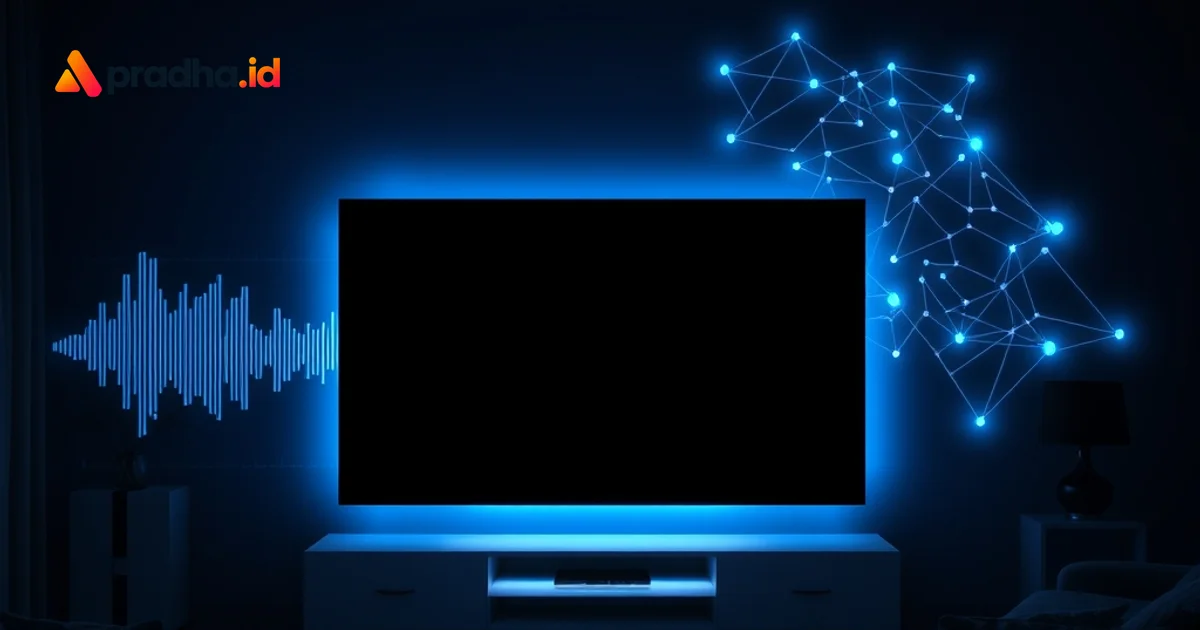
- Researchers discovered LG smart TVs can scan home networks for devices and record audio conversations, even while in standby mode.
- LG's Automatic Content Recognition (ACR) technology can identify specific content appearing on the television screen.
- LG has announced plans to suspend webOS apps that secretly transform smart TVs into residential proxy nodes.
The Hidden Cost of Connectivity: LG Smart TV Privacy Risks
The convenience of the modern smart home often comes with an invisible price tag: the erosion of personal privacy. Recent investigations into LG smart TVs have revealed a series of alarming security vulnerabilities and data collection practices that extend far beyond the typical telemetry expected from a consumer electronic device. From recording audio when the screen is dark to mapping the internal architecture of a user's home network, these findings suggest a systemic overreach in how LG handles user data and device security.
Unauthorized Audio Monitoring and Standby Recording
One of the most disturbing revelations involves the ability of LG smart TVs to listen to their surroundings without explicit user engagement. Malwarebytes reports that security vulnerabilities in these devices could enable attackers to record private conversations. This is not limited to when the TV is actively in use; Fudzilla notes that devices may record microphone audio while in standby mode, storing that data locally and uploading it to external servers once the TV re-establishes a network connection.
The depth of this intrusion is further highlighted by AppleInsider, which reports the discovery of plaintext transcripts of conversations. These transcripts contain sensitive information that is entirely unconnected to active TV use or voice commands, meaning the device is capturing ambient speech and converting it to text without a trigger word. Gamers Nexus and Level1Techs, in a collaborative investigation, confirmed that LG OLED televisions recorded audio while apparently in standby, raising significant questions about the boundary between "smart" functionality and unauthorized surveillance.
Network Scanning and Environmental Mapping
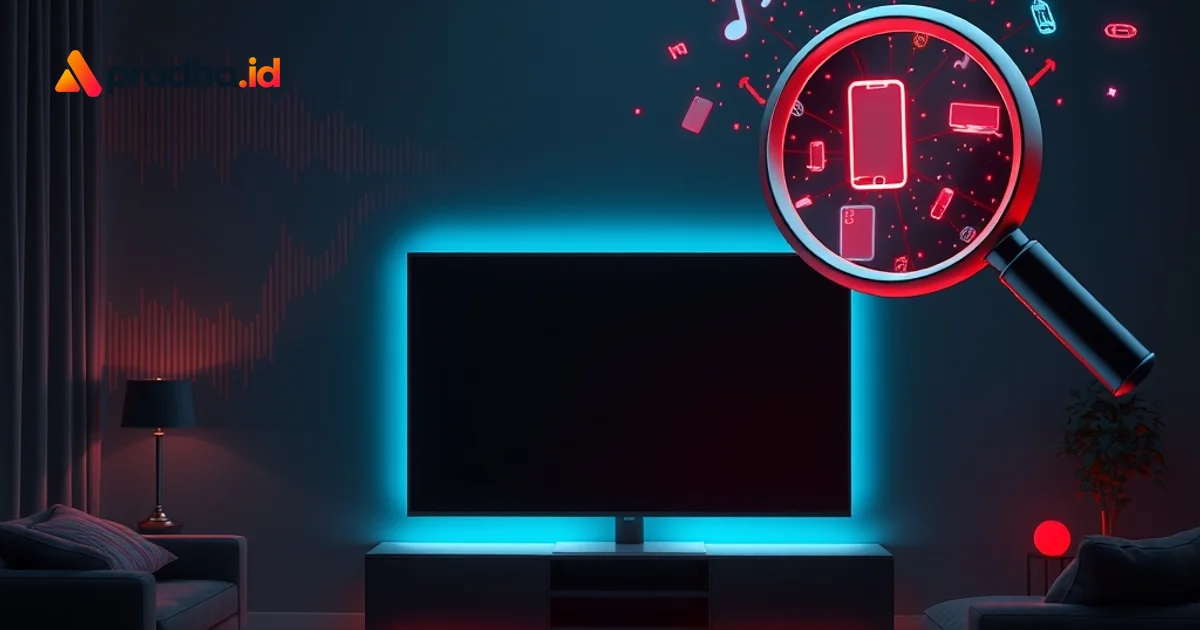
Beyond the auditory realm, LG smart TVs are reportedly acting as network probes within the home. Cybernews reports that these devices scan local networks to identify every connected piece of hardware. This process, described by Tech Yahoo as a form of "cataloguing," occurs specifically when the screen goes dark. The TV begins mapping the user's phone, a partner's smartwatch, and children's laptops, creating a detailed inventory of the home's digital ecosystem.
This capability to detect nearby Wi-Fi networks and specific devices has raised alarms among cybersecurity professionals. By identifying the types of devices present in a household, the TV can infer a great deal about the residents' socioeconomic status, habits, and technical infrastructure. All About Cookies notes that this scanning allows the devices to collect detailed information about their surroundings, effectively turning a living room appliance into a surveillance hub for the local area network (LAN).
ACR Technology and the Tracking of Viewing Habits
The surveillance does not stop at the microphone and the network adapter; it extends to the very pixels on the screen. LG utilizes Automatic Content Recognition (ACR) technology to monitor exactly what is being displayed. Instagram reports that this technology identifies specific content appearing on the screen in real-time. Gamers Nexus notes that this first-party ACR technology allows LG to track viewing habits with surgical precision, contributing to what critics describe as a serious privacy overreach.
ACR technology functions by taking "fingerprints" of the audio and video content and comparing them against a massive database. This allows the manufacturer to know not only what channel you are watching, but also which specific commercials you have seen and for how long. This data is often transmitted to LG’s advertising operations, as highlighted by Ynetnews, turning the user's viewing experience into a data stream for targeted marketing.
The Proxy Problem: WebOS and Third-Party App Misuse
While first-party data collection is a concern, the openness of the webOS platform has introduced secondary security risks. DigitalTrends reports that LG has had to take action against third-party applications that secretly turn smart TVs into residential proxy nodes. A residential proxy allows other users—often malicious actors—to route their internet traffic through the TV's IP address, making the traffic appear as if it is coming from a legitimate home user.
The scale of this issue is staggering. Research indicated that over 42 percent of certain app categories were involved in this proxy activity. Krebs on Security confirmed that LG Electronics USA plans to suspend any apps built for this purpose to prevent users' home networks from being used as conduits for cyberattacks or fraudulent activity. When a TV becomes a proxy node, the homeowner may unknowingly be facilitating illegal activities, potentially leading to their own IP address being blacklisted by security services.
Quantifying the Impact and Expert Recommendations
The potential scale of these vulnerabilities is massive. Cybernews suggests that up to 200 million LG smart TVs could be susceptible to these privacy flaws, particularly the risk of secretly listening to conversations. Given the ubiquity of the brand, this represents one of the largest potential privacy breaches in the history of consumer electronics.
In response to these findings, security experts have proposed several mitigation strategies. Robert Whetstine via LinkedIn has recommended that owners of newer LG smart TVs disconnect their devices from the network entirely. For those who still wish to use the smart features, Dexerto suggests isolating the TV on its own dedicated Wi-Fi network or a separate VLAN (Virtual Local Area Network). This prevents the TV from being able to scan and map other sensitive devices on the primary home network.
A more robust solution, as recommended by Cybersecurity News, is to bypass the TV's built-in software altogether. By disconnecting the TV from the Wi-Fi and routing all streaming through external devices—such as a Roku, Apple TV, or Amazon Fire Stick—users can limit the television's ability to execute its own background scanning and recording scripts while still enjoying high-definition content.
Conclusion: The Need for Transparent Hardware
The LG case serves as a cautionary tale for the "Internet of Things" (IoT) era. When a device is designed to be always-on and always-connected, the line between utility and surveillance becomes dangerously thin. The combination of audio recording in standby, network mapping, and the misuse of the webOS platform creates a high-risk environment for the average consumer. As smart TVs become more integrated into our homes, the demand for transparent data policies and "privacy by design" becomes not just a preference, but a necessity for digital safety.
Sumber / Sources
- LG TV flaws could let attackers listen in, even in standby mode
- LG smart TVs are facing privacy concerns after researchers found ...
- #LG says it will suspend webOS apps that secretly turn smart TVs ...
- LG to Ban Residential Proxies from Smart TV Apps - Krebs on Security
- LG smart TVs may log voice commands and scan homes | Cybernews
- LG smart TVs caught listening while switched off - Fudzilla.com
Relevant solution
Website Development
Custom website development — fast, modern, ready to sell.
Related Articles
LG Smart TV Privacy Scandal: Audio Logging & Data Snooping
Recent investigations by Gamers Nexus and security researchers reveal that LG Smart TVs may log audio in standby mode and scan local networks to map connected devices. Learn how to disable ACR and protect your home privacy.
Bahaya Privasi LG Smart TV: Rekam Audio & Intip Jaringan
Investigasi Gamers Nexus dan Notebookcheck mengungkap LG Smart TV merekam audio saat standby dan memetakan jaringan lokal. Pelajari cara mematikan fitur ACR untuk melindungi privasi Anda.
Otomasi KYC: Verifikasi KTP & NPWP Perusahaan dengan AI
Tingkatkan efisiensi onboarding vendor dan klien dengan otomasi KYC berbasis AI. Pelajari cara ekstraksi data KTP & NPWP otomatis serta deteksi fraud untuk mempercepat bisnis Anda.

Celah Keamanan PHP & Node.js Oktober 2026: Update Sekarang!
Waspada celah RCE kritis skor 9,2 pada PHP dan CVE High pada Node.js Oktober 2026. Simak panduan update versi aman dan strategi hardening server untuk melindungi backend Anda.
Dapatkan Artikel Terbaru!
Berlangganan newsletter kami untuk mendapatkan tips dan insight menarik langsung ke inbox Anda.
Kami tidak akan pernah membagikan email Anda (No Spam).