
Power Outage Guide: Reporting Tools & Safety Resources

Key Takeaways
- Utility providers offer diverse reporting methods including SMS, online portals, and dedicated phone lines.
- Real-time outage maps and schedules are available in various regions to track grid status and planned cuts.
- Safety guidance is available for managing food and temperature during electricity failures.
Understanding Power Outages and Grid Reliability
Electricity is the backbone of modern infrastructure, yet grid stability remains vulnerable to weather extremes, equipment failure, and increased demand. The Department of Energy notes that the Resource Adequacy Report is essential for analyzing the U.S. power system's ability to support new load growth through 2030, highlighting the ongoing need for reliability enhancements. As climate change causes dangerous disruptions in nature, the United Nations warns that billions of people are being affected by these environmental shifts, which often manifest as more frequent and severe power outages.
To combat these disruptions, utility providers have transitioned from manual tracking to sophisticated digital ecosystems. GE Vernova explains that an Outage Management System (OMS) serves as the foundation for power generation service providers to plan, coordinate, and track complex maintenance outages. These systems organize schedules, resources, and safety procedures to ensure that restoration teams are aligned and outages remain on track, reducing the overall downtime for consumers.
Reporting Electricity Failures: Global Channels
When a blackout occurs, the speed of reporting is critical for rapid restoration. Utility companies now provide diverse omni-channel reporting tools to accommodate different user preferences and accessibility needs. For instance, PNM offers 24/7 reporting capabilities through an online portal, a dedicated phone line at (888) DIAL-PNM, or a quick-text option by sending #OUT to 78766.
In other regions, specialized centers handle both power and communication failures. The Northpower Outages Centre serves the Whangārei and Kaipara regions, directing customers to 0800 10 40 40 for faults affecting both electricity and fibre optic lines. This integration is vital as modern homes often rely on internet connectivity to report the very power outages they are experiencing.
Efficiency in reporting often depends on the data provided by the customer. CEMC emphasizes that when calling 800-987-2362, customers should have their meter number, account number, or the associated phone number ready. Providing these specific identifiers allows utility dispatchers to pinpoint the exact location of the fault without unnecessary back-and-forth communication, accelerating the deployment of repair crews.
Real-Time Tracking and Digital Monitoring
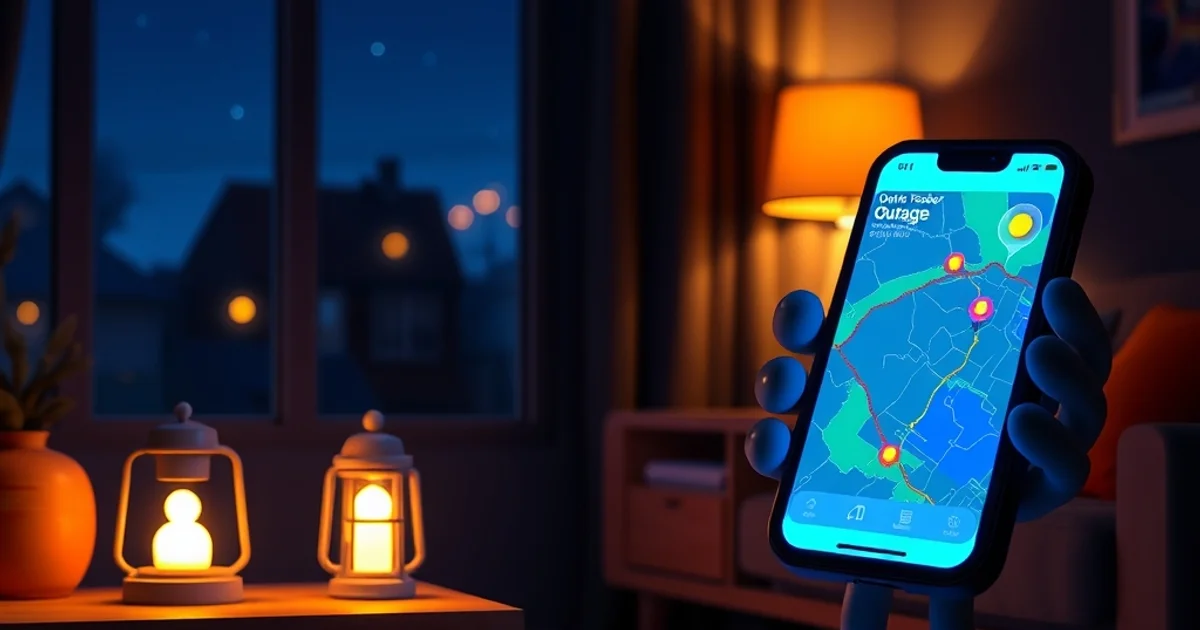
The era of calling a utility company only to be told "we are working on it" is being replaced by transparency through digital tools. Oncor provides a dynamic outage map that updates every 10 minutes, giving residents a visual representation of the affected areas and estimated restoration times. In India, PowerCut.live utilizes a hybrid model of official reports and crowd-sourced grid status updates, allowing users to filter outages by specific pincodes for hyper-local accuracy.
Proactive planning is also becoming a standard feature of utility management. Essential Energy allows customers to opt-in for SMS notifications regarding planned power outages, ensuring that businesses and residents can prepare backup power or adjust their schedules. Similarly, the Serua Power Outage Schedule provides a forward-looking view of both emergency and planned power cuts for the current and following day, reducing the chaos associated with unexpected downtime.
Safety Protocols During and After Outages
While utility companies like NIPSCO work around the clock to handle electric emergencies, the burden of safety during the outage falls on the consumer. Ready.gov provides comprehensive guidelines for power outage safety, emphasizing the critical nature of generator safety. Portable generators must never be used indoors, in garages, or near open windows due to the risk of carbon monoxide poisoning.
AusNet highlights the immediate dangers of the physical environment during a storm-induced outage, specifically warning against the approach of fallen powerlines, which may still be energized and lethal. Beyond immediate electrical hazards, managing the home environment is key. AusNet suggests specific strategies for staying warm in winter or cool in summer without HVAC systems, and provides guidance on managing food supplies to prevent spoilage.
To maintain food safety, Ready.gov recommends keeping refrigerator and freezer doors closed as much as possible. An unopened refrigerator will keep food cold for about 4 hours, while a full freezer will maintain its temperature for approximately 48 hours if the door remains shut. This prevents the growth of harmful bacteria and reduces food waste during extended failures.
The Broader Context: Energy Security and Infrastructure
The frequency of outages is often linked to larger trends in energy security and infrastructure investment. PwC reports that across various regions, gas is being repositioned from a transition fuel to a core source of dispatchable capacity to ensure energy security. This shift is part of a broader effort to create a more resilient grid that can handle the volatility of renewable energy sources.
Furthermore, the growth of high-energy infrastructure, such as data centers, puts additional pressure on local grids. WRI notes that data centers require massive amounts of power backup and cooling systems to keep servers running, which can impact the energy availability for surrounding communities if the grid is not properly scaled. The International Energy Agency (IEA) continues to work with countries globally to shape policies that ensure a secure and sustainable energy future, balancing the need for growth with the necessity of reliability.
For those operating in the industrial sector, Ipieca provides resources to help oil, gas, and alternative energy practitioners advance performance in sustainability and people management, ensuring that the energy production side of the equation is as safe and efficient as the distribution side. By combining these industrial standards with consumer-facing tools like those from National Grid, the global energy landscape is moving toward a model of "intelligent reliability," where outages are shorter, better communicated, and managed with higher safety standards.
Relevant solution
Website Development
Custom website development — fast, modern, ready to sell.
Related Articles

How to Report Power Outages & Track Restoration Status
Stop guessing when your lights will come back on. Learn the fastest ways to report power outages, how to use interactive outage maps, and why your report is critical for faster restoration.

AI Sales Assistant WhatsApp: Ubah Chat Jadi Transaksi
Ubah chat WhatsApp yang pasif menjadi mesin transaksi real-time. Pelajari bagaimana AI Sales Assistant dan WhatsApp Business API dapat mengotomatisasi stok, rekomendasi, hingga pembayaran.
Checklist Implementasi AI Document Processing Perusahaan
Jangan terjebak demo AI yang memukau! Pelajari checklist lengkap implementasi AI Document Processing, mulai dari evaluasi jenis dokumen, infrastruktur self-hosted, hingga perhitungan ROI yang akurat.
Cara Melatih AI Sales Assistant Agar Paham Produk & Konteks
Ingin AI Sales Assistant yang akurat dan tidak asal bicara? Pelajari cara mengintegrasikan RAG dan System Prompt untuk mencegah halusinasi AI dan menjaga kepercayaan pelanggan.
Dapatkan Artikel Terbaru!
Berlangganan newsletter kami untuk mendapatkan tips dan insight menarik langsung ke inbox Anda.
Kami tidak akan pernah membagikan email Anda (No Spam).