
Meta VR Glasses: Specs, Price, and Release Date Revealed

Key Takeaways
- Meta officially announced VR Glasses at Connect 2026, scheduled for release in Spring 2027.
- The device features a lightweight 100-gram design, making it five times lighter than the Meta Quest 3.
- Priced between $1,299 and $1,300, the glasses include micro-OLED displays and gesture-based controls.
At the highly anticipated Connect 2026 event, Mark Zuckerberg officially unveiled the Meta VR Glasses, marking a strategic pivot in Meta's approach to virtual reality. Unlike the bulky headsets of the past, this new entry into the market emphasizes extreme portability and a sleek, glasses-style design. The device is positioned not just as a gaming peripheral, but as a versatile daily tool capable of serving as a private cinema, a high-performance game console, and a professional workstation featuring multiple virtual monitors.
Revolutionary Design and Technical Specifications
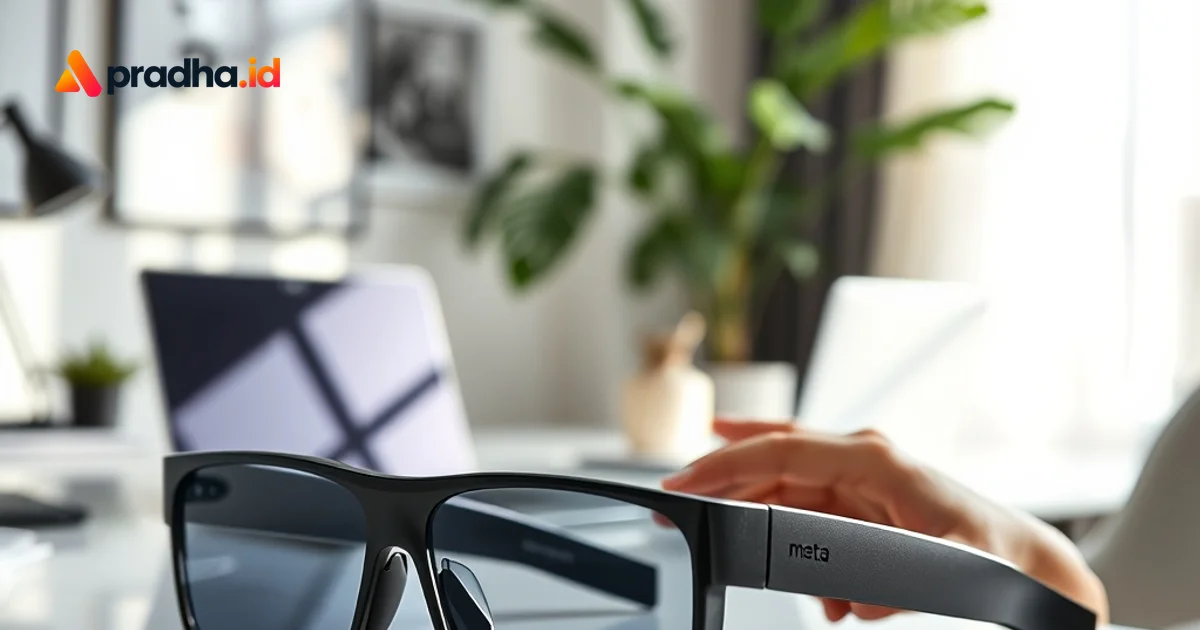
The defining characteristic of the Meta VR Glasses is the drastic reduction in form factor. Mashable reports that the glasses feature a lightweight 100-gram design, a feat that addresses one of the primary complaints regarding VR adoption: wearer fatigue. Meta's official newsroom notes that this makes the device five times lighter than the Meta Quest 3, fundamentally changing how users interact with immersive technology over extended periods.
This significant weight reduction is achieved through a sophisticated two-part system. The glasses themselves are stripped of heavy processing units and batteries, focusing instead on the critical sensors and optics. By offloading the heavy computational lifting to a companion device or external processing unit, Meta has managed to maintain a profile that closely resembles traditional eyewear.
To ensure that the visual experience is not sacrificed for the sake of size, UploadVR states that the glasses are equipped with micro-OLED displays. Micro-OLED technology allows for incredibly high pixel density and deep contrast ratios, providing the clarity needed for reading text in a virtual workstation or enjoying high-fidelity cinema. This choice of display technology is critical for reducing the "screen door effect" often associated with lower-end VR headsets.
Interaction with the Meta VR Glasses moves away from traditional handheld controllers. Engadget reports that the device includes onboard cameras specifically designed to detect the wearer's hands. This enables precise gesture-based controls, allowing users to navigate menus, manipulate virtual objects, and interact with software using natural hand movements, further enhancing the "invisible" nature of the technology.
Functionality and the Immersive User Experience
The Meta VR Glasses are engineered to blend seamlessly into various aspects of a user's life, from entertainment to productivity. Mashable highlights that the device includes a dedicated "cinema mode" and maintains full support for the existing library of Quest games, ensuring that users don't lose access to the vast ecosystem Meta has already built.
Meta's official newsroom describes the product as a "cinema, courtside seat," emphasizing its ability to transport users into immersive environments. This includes the capability to watch 3D movies and immersive live sports, effectively giving the user a front-row experience from the comfort of their own home. The integration of high-resolution audio and visuals aims to create a sense of "presence" that was previously only possible with much larger hardware.
Beyond entertainment, Mark Zuckerberg highlighted on X that the glasses can function as a professional workstation. By projecting multiple virtual monitors into the user's field of vision, the Meta VR Glasses eliminate the need for physical desk space. This capability targets the remote work and creative professional markets, offering a portable office that can be deployed anywhere.
Market Positioning and Competitive Landscape
The introduction of the Meta VR Glasses puts significant pressure on other players in the spatial computing space. Glitchwire notes that these glasses put the Apple Vision Pro on notice, primarily due to the drastic difference in price and weight. While the Vision Pro offers high-end power, Meta's approach focuses on accessibility and wearability.
By targeting a price point significantly lower than Apple's offering, Meta is attempting to democratize high-end VR. The focus on a 100-gram design suggests that Meta believes the future of the industry lies in "all-day wearability" rather than isolated, high-intensity sessions. This shift aligns with the broader trend of AI-integrated wearables, as seen in the various AI glasses announcements during the Connect 2026 showcase mentioned by The Verge.
Pricing and Availability
The Meta VR Glasses are scheduled for a commercial launch in Spring 2027. While there is slight variation in reporting, the pricing is consistently positioned to be competitive. Meta and Yahoo Finance list the official price at $1,299. Some other outlets, including UploadVR and Engadget, cite a rounded price of $1,300. Regardless of the minor discrepancy, the $1,299 mark represents a strategic attempt to capture the mid-to-high-end consumer market.
As the industry moves toward more integrated mixed-reality experiences, the Meta VR Glasses represent a bold bet on the convergence of style, comfort, and power. With the combination of micro-OLED visuals, gesture control, and an ultra-light frame, Meta is positioning itself to lead the transition from bulky headsets to true wearable spatial computers.
Sumber / Sources
- Meta VR Glasses Officially Announced, Shipping Spring 2027 For ...
- Zuckerberg announces Meta VR Glasses, a lightweight virtual reality ...
- Introducing Meta VR Glasses: A Cinema, Courtside Seat, and ...
- Meta Connect 2026 Unveils Lightweight VR Glasses and Smart ...
- Meta unveils $1,299 VR Glasses, camera-less smart glasses at Meta ...
- Meta's $1,300 VR Glasses Look Like The Vision Pro Sequel Apple ...
Relevant solution
Website Development
Custom website development — fast, modern, ready to sell.
Related Articles

CPU Fujitsu MONAKA: Revolusi Sovereign AI dari Jepang
Fujitsu memperkenalkan CPU FUJITSU-MONAKA dan Server MONAKA untuk memperkuat kedaulatan AI Jepang. Temukan detail rencana fabrikasi 1,4nm dan target pasar globalnya di sini.

Robbie Ray's 2026 Season: Impact and Transition to Padres
Explore Robbie Ray's transformative 2026 season, from his trade to the San Diego Padres to his resilience returning from Tommy John surgery with a 13-8 record.

Rangers FC: Match Results, Fixtures & Latest Team News
Rangers FC celebrates a thrilling victory over Celtic led by Ryan Naderi. Discover the latest match analysis, upcoming fixtures against Dundee, and exclusive team insights.

Avengers Endgame Encore Tayang Lagi di Bioskop Indonesia 2026
Avengers Endgame: Encore kembali mengguncang bioskop Indonesia mulai 23 September 2026. Nikmati pengalaman visual megah melalui format Infinity Vision di Cinema XXI, CGV, dan Cinepolis!
Dapatkan Artikel Terbaru!
Berlangganan newsletter kami untuk mendapatkan tips dan insight menarik langsung ke inbox Anda.
Kami tidak akan pernah membagikan email Anda (No Spam).