
Perseid Meteor Shower 2026: Peak Dates & Viewing Guide

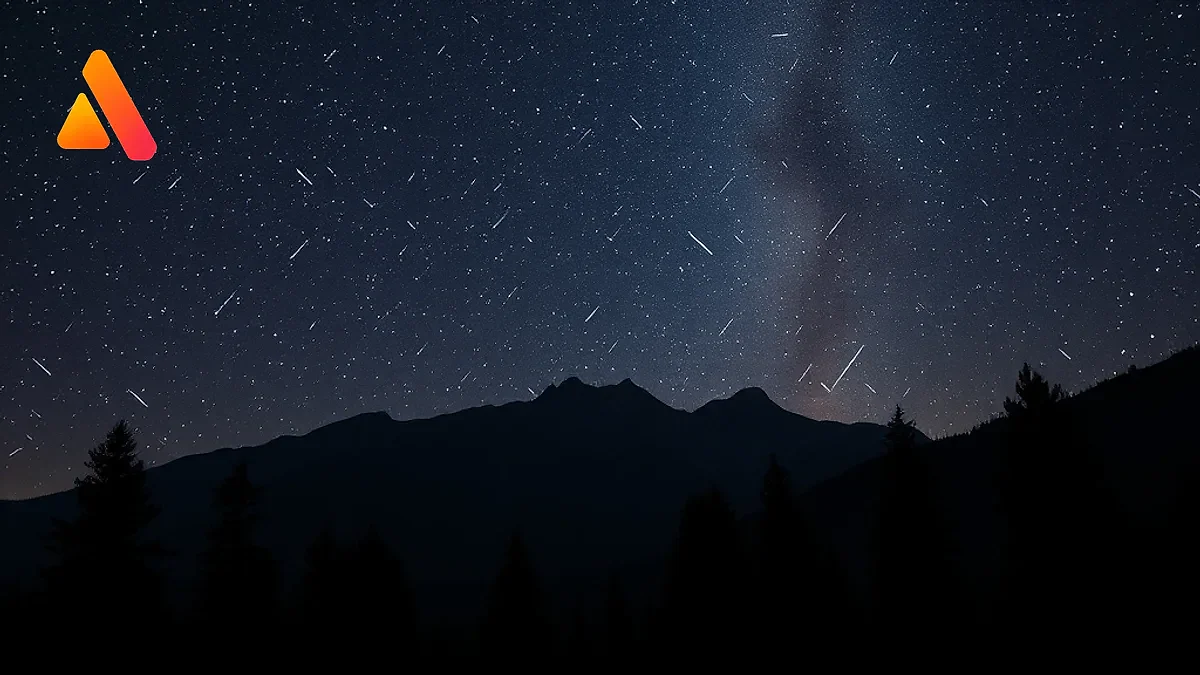
The astronomical community is preparing for one of the year's most spectacular celestial events: the 2026 Perseid meteor shower. Renowned as one of the most reliable and visually stunning meteor showers of the year, the Perseids are returning to grace the night sky with frequent, bright shooting stars that captivate both seasoned astronomers and casual stargazers alike.
What Exactly are the Perseids?
To understand why the Perseids are so special, we must look at their origin. The Perseid meteor shower is caused by the Earth passing through the debris trail left behind by Comet 109P/Swift-Tuttle. As the Earth orbits the Sun, it intersects this stream of cosmic dust and ice. These small particles, known as meteoroids, enter the Earth's atmosphere at incredible speeds—approximately 59 kilometers per second (132,000 mph).
As these particles collide with the atmosphere, the friction creates intense heat, vaporizing the debris and ionizing the surrounding air. This process creates the brilliant streaks of light we recognize as "shooting stars." Because the Perseids are known for producing fast, bright meteors and frequent "fireballs" (exceptionally bright meteors that can last longer than average), they are a highlight of the summer astronomical calendar.
When to Watch: Peak Dates and Timing
While the Perseid meteor shower remains active for several weeks—typically from mid-July through late August—the window for the most intense activity is relatively brief. For those seeking the highest frequency of meteors, the shower is expected to reach its peak late on August 12 and continue into the predawn hours of August 13, 2026.
The best time to observe the peak is generally between midnight and dawn. During these hours, your location on Earth is rotated into the direction of the Earth's orbital motion, effectively "scooping up" more debris from the comet's trail. This typically results in a higher number of sightings per hour compared to the early evening.
Why 2026 is a "Perfect Storm" for Stargazers
Astronomers indicate that viewing conditions for 2026 are exceptionally promising, potentially making this one of the best years for the Perseids in a decade. The primary factor contributing to this is the lunar cycle.
The New Moon Advantage
In many years, the brilliance of a full or gibbous moon can wash out all but the brightest meteors, creating a "light pollution" effect from the sky itself. However, in 2026, a new moon coincides almost perfectly with the peak of the shower. This means that moonlight will not interfere with the experience, providing the darkest possible skies for observers. Some reports further highlight that a thin crescent moon setting early will allow for the visibility of fainter meteors that would otherwise remain hidden.
ZHR and Potential Dust-Trail Boosts
The International Meteor Organization (IMO) typically forecasts a Zenithal Hourly Rate (ZHR) of 30-50 for the Perseids. The ZHR represents the number of meteors a single observer would see in an hour under a completely clear, dark sky if the radiant were directly overhead. However, experts from Telescope Advisor suggest that 2026 may exceed these forecasts. There is a possibility of a "dust-trail boost," where Earth passes through a denser filament of debris from Comet Swift-Tuttle, potentially pushing the hourly rate toward 100 meteors per hour.
A Rare Astronomical Alignment: The Solar Eclipse
The 2026 event is particularly unique due to a rare coincidence of celestial events. In addition to the perfect timing of the new moon, a total solar eclipse occurs on the same day as the meteor shower peak. While the eclipse is a daytime event and the meteor shower is a nighttime event, the alignment of these two major phenomena within a 24-hour window adds immense significance to this astronomical window. For those located in the path of totality—specifically across Spain, Iceland, and Greenland—August 12, 2026, will be a day of unprecedented cosmic activity.
Where and How to Look
To find the Perseids, observers should look toward the radiant—the point in the sky from which the meteors appear to originate. For those in the Northern Hemisphere, the radiant is located in the constellation Perseus the Hero, near the border of Cassiopeia.
It is important to note that while the meteors seem to come from one point, they can appear anywhere in the sky. You do not need to stare directly at the constellation Perseus; in fact, meteors appearing slightly away from the radiant often leave longer, more impressive trails across the sky.
Pro Tips for the Best Viewing Experience:
- Find a Dark Site: Since the new moon provides zero light pollution from the moon itself, the only remaining obstacle is human-made light. Seek a location far away from city lights, such as a rural park, a mountain top, or a designated dark-sky reserve.
- Give Your Eyes Time to Adapt: It takes about 20 to 30 minutes for your eyes to fully adjust to the dark. Avoid looking at your phone or any bright screens during this time, as the blue light will reset your night vision. If you need a light, use a red-filtered flashlight.
- Look Overhead: The shooting stars appear most frequently in the upper atmosphere. Find a clear patch of sky, lie flat on your back (using a reclining lawn chair or a blanket), and let your gaze wander across the stars.
- Be Patient: Meteor activity often comes in waves. You might see nothing for ten minutes and then see three meteors in a single minute. The peak activity is most prominent during the early hours of August 13.
- Dress for the Weather: Even in August, predawn temperatures can drop significantly, especially in open fields or high altitudes. Bring layers of clothing and a warm blanket to ensure you can stay outside comfortably for several hours.
Summary of the 2026 Event
The 2026 Perseid meteor shower represents a rare convergence of ideal conditions. With the absence of moonlight, the potential for an increased meteor count, and the added excitement of a total solar eclipse on the same day, this is an event that no astronomy enthusiast should miss. Whether you are a professional with a telescope or someone who simply enjoys the magic of a shooting star, the night of August 12-13, 2026, promises to be a breathtaking display of the universe's beauty.
Sumber / Sources
- Perseid meteor shower 2026: It's time to watch - EarthSky
- Perseid meteor shower 2026: A new moon will offer great views | AP News
- Perseid Meteor Shower 2026 — Peak Dates, Best Viewing Times & Tips ...
- Perseid meteor shower 2026: When and how to watch
- The Perseid Meteor Shower peaks August 12–13, 2026 ... - Instagram
- Perseid Meteor Shower 2026: Best Time Tonight by Time Zone
Relevant solution
Website Development
Custom website development — fast, modern, ready to sell.
Related Articles

MikroTrick: Celah SSH MikroTik RouterOS & Cara Mengatasinya
Waspada MikroTrick! Celah kritis SSH pada MikroTik RouterOS memungkinkan hacker mengambil alih akses admin tanpa password. Simak cara mitigasi dan langkah pembersihan total di sini.

Teknologi F-35 Lightning II: Inovasi & Tantangan Keamanan
Menjelajahi kecanggihan F-35 Lightning II sebagai force multiplier global, ekspansi operasional di berbagai negara, hingga investigasi Pentagon atas kebocoran komponen sensitif ke China.

Rangers FC: Match Results, Fixtures & Latest Team News
Rangers FC celebrates a thrilling victory over Celtic led by Ryan Naderi. Discover the latest match analysis, upcoming fixtures against Dundee, and exclusive team insights.

Jim Acosta: From CNN Chief Correspondent to Independent Journalist
Explore the evolution of Jim Acosta from CNN's Chief White House Correspondent to a fearless independent journalist. Discover his battles for press freedom and his mission to fix 'broken' news.
Dapatkan Artikel Terbaru!
Berlangganan newsletter kami untuk mendapatkan tips dan insight menarik langsung ke inbox Anda.
Kami tidak akan pernah membagikan email Anda (No Spam).