
Tether: Bring iMessage and Apple Continuity to Linux

Key Takeaways
- Tether is an open-source project by Zack Bartel that enables Apple Continuity features on Linux.
- The tool now supports iMessage, SMS, notifications, and contact synchronization.
- Previous capabilities include clipboard sync, file transfers, and OTP support.
- Users can pair their iPhones via a GTK GUI application or a command-line interface (CLI).
For many technology enthusiasts, the primary allure of the Apple ecosystem is not just the hardware, but the seamless interplay of proprietary services. Features like iCloud, AirDrop, and iMessage create a "walled garden" that enhances productivity and convenience, but typically only if every device in your workflow is an Apple product. Quora notes that this integrated experience—such as starting a text on an iPhone and continuing it on a laptop—is a major reason users remain loyal to the brand despite potential shortcomings in individual apps.
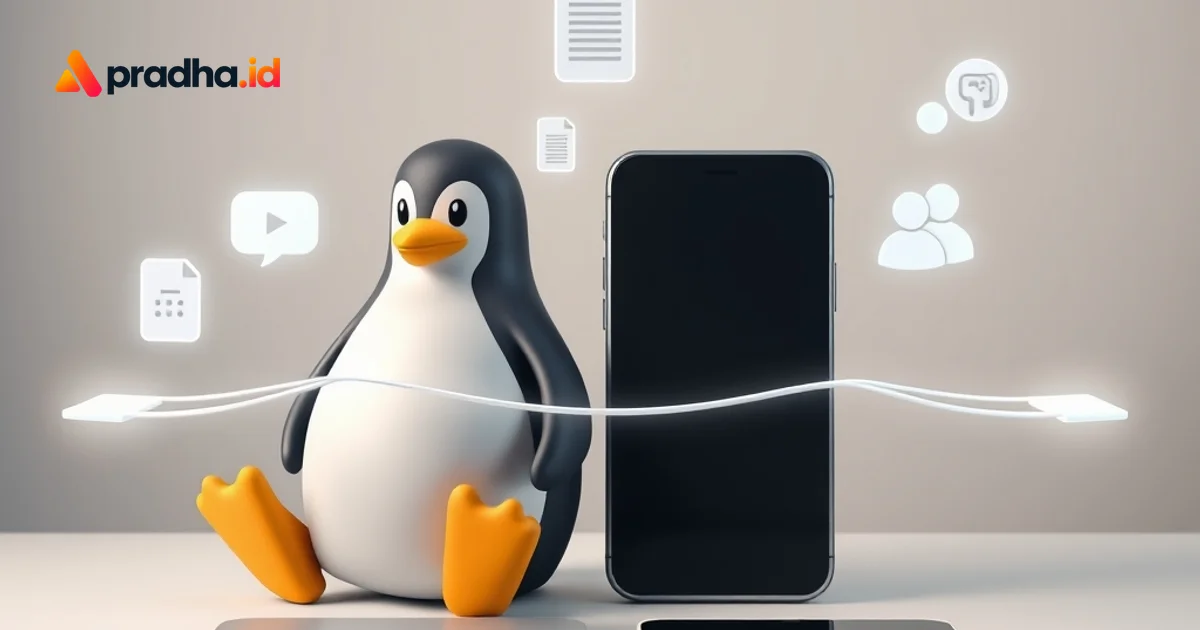
However, a new open-source initiative called Tether is fundamentally challenging these boundaries. Developed by Zack Bartel, Tether is designed to bring Apple's Continuity features to the Linux operating system, allowing users to enjoy the benefits of the Apple ecosystem without abandoning the flexibility and openness of Linux.
Expanding the Horizons of Linux Integration
The core mission of Tether is to implement as many Apple Continuity features on Linux as are technically possible. For users who have migrated away from macOS but still rely on the iPhone for its hardware or cellular capabilities, this project provides a critical bridge. Zeli reports that Tether specifically focuses on replicating the Continuity experience, ensuring that the iPhone becomes a companion to the Linux desktop rather than a separate, isolated device.
Recent updates have significantly expanded the utility of the tool. Zack Bartel's blog and Hacker News confirm that Tether now supports a comprehensive suite of messaging and synchronization services. The most notable additions include iMessage and SMS integration, which allow users to send and receive messages directly from their Linux environment. Furthermore, the tool now handles real-time notifications and contact synchronization, ensuring that the user's desktop remains updated with the latest information from their mobile device.
These new capabilities build upon a robust foundation of existing features. Before the rollout of messaging and notifications, Zack Bartel detailed that Tether already provided essential synchronization tools, including clipboard synchronization—allowing text copied on an iPhone to be pasted on Linux—and seamless file transfers. Additionally, the support for One-Time Passwords (OTP) simplifies the authentication process for users who receive security codes via their iPhones but operate on a Linux machine.
Technical Implementation and Setup
Tether is engineered to be accessible to both power users and those who prefer a more traditional desktop experience. GitHub documentation for the project reveals a dual-approach to user interaction. For those who prefer a visual interface, Linux users can launch a GTK application (tether-gtk), which provides a graphical user interface (GUI) for managing the connection and settings.
Alternatively, the project offers a Command Line Interface (CLI) for users who prefer terminal-based workflows or wish to automate their setup. The pairing process is strategically split across different wireless protocols to optimize performance and reliability. WiFi is utilized via the GUI or CLI for the primary pairing and data synchronization, while Bluetooth is specifically leveraged to handle the requirements of the Messages service, mirroring how Apple handles these connections internally.
This technical approach provides a streamlined and modern alternative to legacy methods of iPhone-Linux interaction. In the past, users often relied on lower-level tools such as usbmuxd and libimobiledevice. While these tools were effective for basic file transfers and device communication without the need for a virtual machine, they lacked the high-level synchronization and real-time interaction that Tether provides. By focusing on the Continuity service, Tether moves beyond simple file access to create a truly integrated ecosystem.
The Impact on Ecosystem Boundaries
The emergence of Tether represents a significant shift in the power dynamic between proprietary hardware vendors and the open-source community. Apple's business model relies heavily on the "lock-in" effect, where the convenience of integrated services makes it difficult for users to switch to other operating systems. By enabling iMessage and SMS on Linux, Tether effectively dismantles one of the strongest walls of the Apple garden.
This development is part of a broader trend of cross-platform interoperability. While Apple maintains strict control over its hardware and software, open-source initiatives are consistently finding pathways to enable data synchronization and communication. This allows Linux users—who often prioritize privacy, customization, and software freedom—to access essential iPhone functions without sacrificing their choice of operating system.
The Future of Continuity on Linux
As the project evolves, the potential for further integration grows. The community discussions on Hacker News suggest that full implementation of Continuity is entirely possible on Linux, provided the underlying protocols can be reverse-engineered or interfaced with correctly. The ability to sync notifications and clipboards is only the beginning; future iterations could potentially explore deeper integration with other Apple services or improved stability across various Linux distributions.
For the average user, Tether transforms the iPhone from a standalone communication device into a powerful peripheral for the Linux desktop. It proves that the benefits of a tightly integrated ecosystem do not have to be exclusive to a single manufacturer, paving the way for a more open and flexible computing future where the user, not the vendor, decides which devices and operating systems work together.
Relevant solution
Website Development
Custom website development — fast, modern, ready to sell.
Related Articles
Tether: Bawa iMessage dan Continuity Apple ke Linux
Tether mendobrak batasan ekosistem Apple dengan membawa iMessage, SMS, dan fitur Continuity ke Linux. Temukan bagaimana proyek open-source ini memudahkan pengguna iPhone bermigrasi ke Linux tanpa kehilangan produktivitas.
Tren Software Development 2025-2026: AI Agent & VS Code
Menjelajahi revolusi Agentic AI di VS Code 2025-2026. Temukan bagaimana AI otonom, tren vibe-coding, dan isu keamanan SSH Agent membentuk masa depan pemrograman.

Apa itu Intelligent Document Processing (IDP)? AI vs OCR
Tinggalkan input data manual yang membosankan. Pelajari bagaimana Intelligent Document Processing (IDP) menggunakan AI dan LLM untuk mengubah dokumen tidak terstruktur menjadi data siap pakai dengan akurasi tinggi.

Teknologi F-35 Lightning II: Inovasi & Tantangan Keamanan
Menjelajahi kecanggihan F-35 Lightning II sebagai force multiplier global, ekspansi operasional di berbagai negara, hingga investigasi Pentagon atas kebocoran komponen sensitif ke China.
Dapatkan Artikel Terbaru!
Berlangganan newsletter kami untuk mendapatkan tips dan insight menarik langsung ke inbox Anda.
Kami tidak akan pernah membagikan email Anda (No Spam).