
What is Cardiology? Roles and Types of Heart Specialists

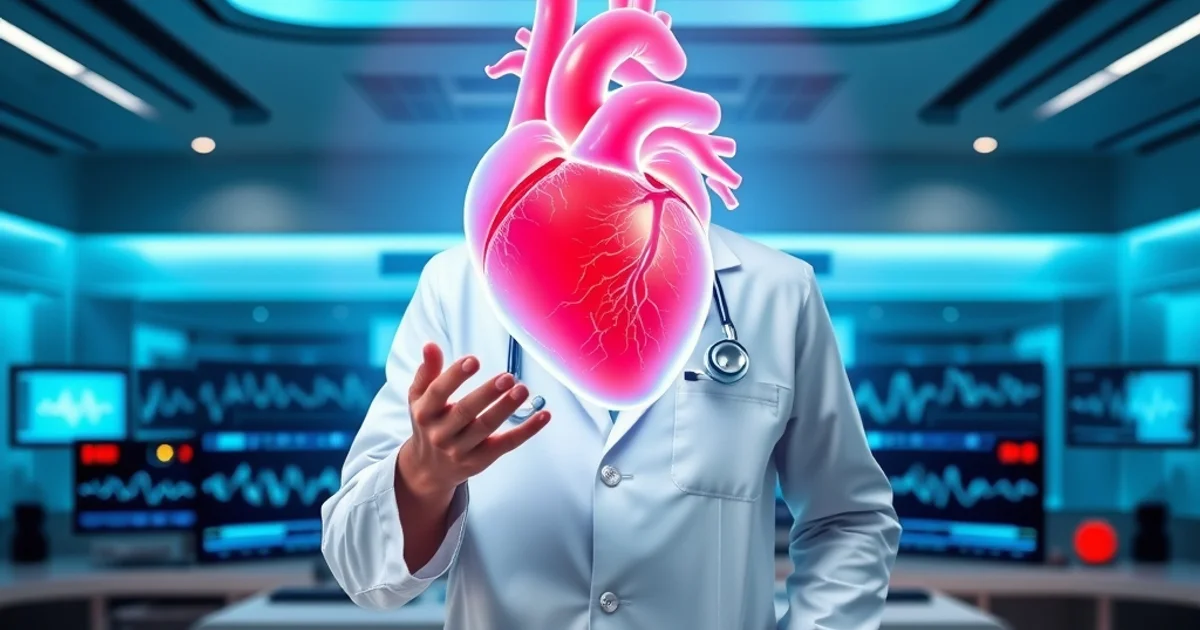
Key Takeaways
- Cardiology is a sub-specialty of internal medicine focused on disorders of the heart and the cardiovascular system.
- Cardiologists diagnose, treat, and prevent a wide range of conditions, including heart failure, irregular heart rhythms, and blocked arteries.
- The field includes various specialized roles, such as interventional cardiologists, electrophysiologists, and pediatric cardiology consultants.
Cardiology, derived from the Ancient Greek words kardiā (heart) and -logia (study), is the branch of medicine dedicated to the comprehensive study of the heart. As a sophisticated sub-specialty of internal medicine, it focuses specifically on disorders affecting the heart and the broader cardiovascular system, which encompasses the intricate network of blood vessels that transport oxygen and nutrients throughout the human body. Wikipedia notes that this field is essential for the medical diagnosis and treatment of congenital heart defects, coronary artery disease, and heart failure.
The Vital Role of a Cardiologist
A cardiologist is a physician with expert knowledge in treating diseases related to the heart and blood vessels. These specialists serve as essential members of healthcare teams in both outpatient clinics and acute hospital settings. Star Health explains that a cardiologist is a physician who possesses the specific expertise required for diagnosing, preventing, and treating diseases of the heart and blood vessels. Their primary objective is to ensure the cardiovascular system functions efficiently to support the overall health and energy levels of the patient.
The responsibilities of a cardiologist are broad, ranging from routine preventative screenings to the management of chronic, life-threatening conditions. Your Health Organization emphasizes that heart health plays a vital role in overall wellness and long-term quality of life, making the cardiologist's role in preventative care just as important as their role in acute treatment. By managing risk factors such as cholesterol and blood pressure, cardiologists help patients avoid catastrophic events like myocardial infarctions (heart attacks).
SD Premier Clinics reports that cardiologists are specifically tasked with diagnosing and treating conditions such as high blood pressure (hypertension), blocked arteries (atherosclerosis), irregular heartbeats (arrhythmias), and heart failure. The CMA further defines heart failure as a critical condition where the heart struggles to pump as much blood as the body requires to function optimally. Furthermore, UNSW Sydney highlights that these specialists are the primary point of contact for treating heart attacks and other systemic cardiovascular failures.
Understanding the Specializations Within Cardiology
Because the cardiovascular system is incredibly complex, the field of cardiology is divided into several specialized roles. This stratification allows physicians to master specific technologies and surgical techniques to provide highly targeted care. Houston Methodist identifies several types of cardiologists that patients may encounter depending on their specific symptoms and diagnosis:
General Cardiologists
General cardiologists provide broad cardiovascular care. They are typically the first point of contact for patients experiencing heart-related symptoms. They focus on the diagnosis of heart disease and the management of chronic conditions through medication and lifestyle interventions. They coordinate care and refer patients to sub-specialists when invasive procedures or highly specific treatments are required.
Interventional Cardiologists
Interventional cardiologists specialize in invasive procedures. Unlike general cardiologists, they use catheters to perform minimally invasive procedures to open blocked arteries or repair heart valves. Their work is critical in emergency settings, such as during a heart attack, where they can perform angioplasty or place stents to restore blood flow to the heart muscle.
Electrophysiologists (EPs)
Electrophysiologists focus on the heart's electrical system. The heart relies on precise electrical impulses to beat in a coordinated rhythm; when this system fails, it results in irregular heart rhythms, or arrhythmias. Electrophysiologists are trained to diagnose these electrical malfunctions and treat them using methods such as catheter ablation or the implantation of pacemakers and defibrillators.
Heart Failure Specialists
Heart failure specialists focus specifically on patients whose hearts have become too weak or stiff to pump blood effectively. This specialization involves managing fluid overload, optimizing medication to reduce the workload on the heart, and managing advanced devices like Ventricular Assist Devices (VADs) for patients who may be candidates for heart transplants.
Pediatric Cardiologists
Beyond adult care, there is a critical focus on younger populations. Indeed.com notes that pediatric cardiologists specialize in diagnosing and treating heart problems specifically in children. This often involves treating congenital heart defects—structural issues present from birth. EMC Healthcare provides Pediatric Cardiology Consultant services, which include essential screenings for heart defects, specialized consultations, and the continuous monitoring of a child's growth and development to ensure the heart adapts correctly as the child ages.
Cardiologist vs. Cardiac Surgeon: Key Differences
There is often confusion between a cardiologist and a cardiac surgeon. BLK Max Hospital clarifies that while both are heart specialists, their roles differ significantly. A cardiologist is an internal medicine specialist who focuses on the medical management of the heart, using medications and minimally invasive tools. In contrast, a cardiac surgeon is a surgical specialist who performs open-heart surgeries, such as coronary artery bypass grafting (CABG) or valve replacements. While a cardiologist may diagnose a problem and manage it with drugs, they will refer the patient to a cardiac surgeon when a physical, surgical correction of the heart's structure is necessary.
When to Seek Cardiovascular Care
Knowing when to see a heart specialist can be life-saving. Houston Methodist points out that many people mistakenly believe cardiologists are only for emergencies like chest pain or heart attacks. However, cardiologists play a much broader role in prevention. Seeking care is critical if you experience symptoms such as shortness of breath, chronic fatigue, dizziness, or palpitations. Additionally, individuals with a family history of heart disease or those with comorbidities like diabetes and hypertension should seek preventative screenings.
Cardiac Care PC emphasizes that choosing the right cardiologist is one of the most important healthcare decisions a patient can make. Given that heart disease remains a leading cause of death globally, having a skilled cardiologist who understands a patient's unique medical history is essential for comprehensive cardiovascular health management.
Whether through the use of diagnostic tools like EKGs, stress tests, and echocardiograms, or through the administration of life-saving interventions, these specialists apply dedicated knowledge to ensure the heart and blood vessels function correctly. By integrating medical expertise with advanced technology, cardiology continues to evolve, offering new hope for patients with once-untreatable heart conditions.
Sumber / Sources
- Different Types of Cardiologists & What They Do - Houston Methodist
- What does a cardiologist do and when should you see one? | CMA
- What does a cardiologist actually do, and when should you see one?
- Cardiology - Wikipedia
- Pediatric - Cardiologist - EMC Healthcare - SAME
- What Is a Cardiologist? (And What Do They Do?) | Indeed.com
Relevant solution
ePWS Puskesmas
Digital reporting for public health centers (Puskesmas).
Related Articles

What is HYROX? The Ultimate Guide to Fitness Racing
Discover everything about HYROX, the 'World Series of Fitness Racing.' From its 8km run and functional workout structure to the Elite Series, learn why this hybrid sport is booming globally.

arXiv Jadi Organisasi Nirlaba Independen: Dana $17,2 Juta
arXiv bertransformasi menjadi organisasi nirlaba independen berkat pendanaan filantropi sebesar $17,2 juta. Simak bagaimana langkah ini memperkuat akses terbuka riset global.

AI Document Processing: Digitalisasi Rekam Medis & Form Kesehatan
Ubah tumpukan rekam medis kertas menjadi data digital terstruktur dengan AI Document Processing dan PWS Pradha. Tingkatkan akurasi data, percepat pelaporan, dan optimalkan layanan kesehatan Anda sekarang.

Okultasi Venus oleh Bulan 14 September 2026 di Indonesia
Saksikan kemegahan Okultasi Venus oleh Bulan yang menghiasi langit Indonesia pada 14 September 2026. Pelajari mengapa planet Venus menghilang sementara dan wilayah mana saja yang menjadi titik pengamatan terbaik.
Dapatkan Artikel Terbaru!
Berlangganan newsletter kami untuk mendapatkan tips dan insight menarik langsung ke inbox Anda.
Kami tidak akan pernah membagikan email Anda (No Spam).