
Hiroshima 81st Anniversary: A Call for Nuclear Abolition

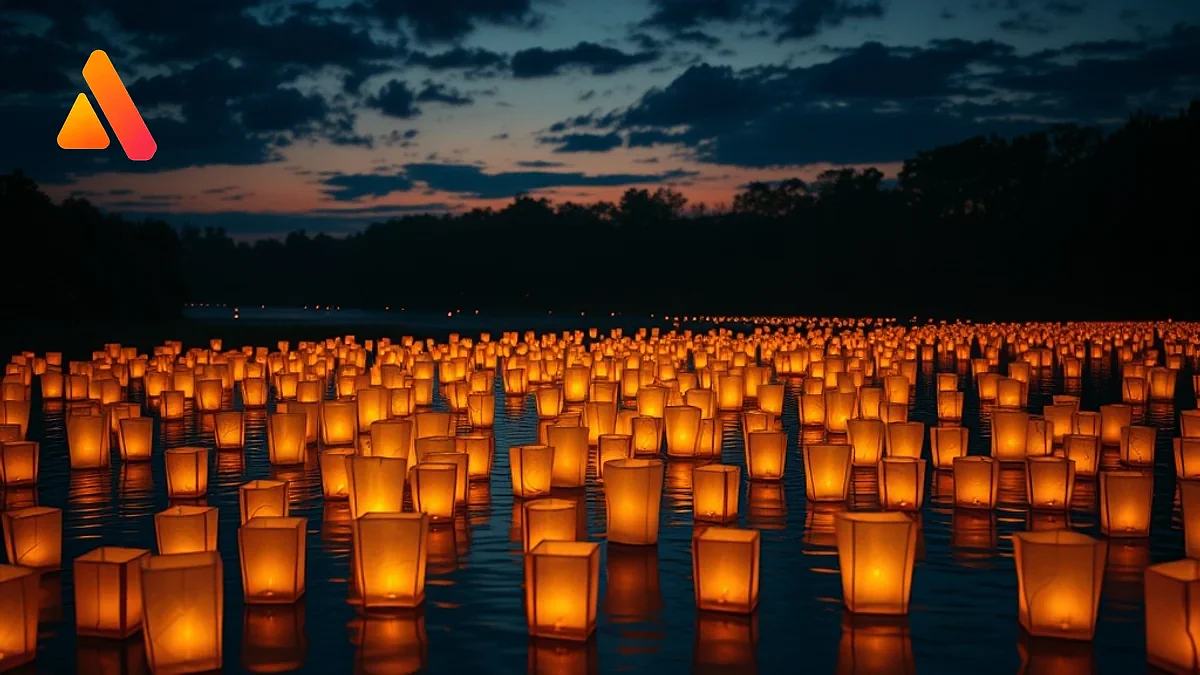
On Thursday, August 6, 2026, the city of Hiroshima held its annual peace ceremony to commemorate the 81st anniversary of the atomic bomb attack. The event took place amidst a climate of heightened global tension, serving as a solemn reminder of the unprecedented devastation caused by nuclear weapons and the urgent need for international cooperation to ensure such a tragedy never recurs.
A Legacy of Devastation and Survival
The atomic bomb was dropped on Hiroshima on August 6, 1945, marking a pivotal and tragic moment in human history. The explosion resulted in the immediate loss of tens of thousands of lives, with estimates suggesting that 70,000 people were killed or fatally maimed instantly. However, the horror did not end with the initial blast; thousands more succumbed to the effects of gamma radiation and acute radiation syndrome in the following weeks and months.
While eight decades have passed, the wounds of the hibakusha—the survivors of the bombing—remain deeply etched in the city's consciousness. The hibakusha have spent their lives transforming their suffering into a mission for peace, sharing their testimonies with the world to warn future generations about the inhumanity of nuclear warfare. Their voices serve as the living bridge between the tragedy of 1945 and the modern pursuit of disarmament.
The physical manifestation of this tragedy is most prominently seen in the Atomic Bomb Dome. Located in Naka Ward, this skeletal structure was one of the few buildings left standing near the hypocenter. Today, it stands as a UNESCO World Heritage site, continuing to convey the raw tragedy of the attack to millions of visitors and serving as a permanent reminder of the fragility of peace.
The Forgotten Victims: The Korean Experience
The impact of the bombing extended far beyond Japanese nationals. Historical research indicates that there were approximately 140,000 Koreans in Hiroshima at the time of the bombing, many of whom had been brought to Japan during the colonial period. A significant number of these individuals hailed from the Hapcheon region. The resulting Korean casualties were immense, yet for decades, their stories were often marginalized in the broader narrative of the war. Modern commemorations now strive to be more inclusive, recognizing the diverse nationalities of those who suffered in the blast.
Calls for a Nuclear-Free World
During the 81st-anniversary commemorations, Mayor Kazumi Matsui delivered the Peace Declaration, a tradition that underscores Hiroshima's role as a global advocate for peace. In his address, Mayor Matsui warned against the growing danger that nuclear weapons could be used again, noting that downplaying the inhumanity of these weapons risks creating cycles of violence and instability.
"The lessons of 1945 remain vital. We must not allow the world to forget the true consequence of nuclear weapons," the sentiment echoed throughout the ceremony, emphasizing that the pursuit of a nuclear-free world is not a utopian dream but a necessity for human survival.
The ceremony emphasized the necessity of the Treaty on the Prohibition of Nuclear Weapons (TPNW) and called upon nuclear-armed states to engage in meaningful disarmament. In an era of geopolitical volatility, Hiroshima positions itself not just as a victim of war, but as a global symbol for disarmament, urging leaders to choose diplomacy over deterrence.
Hiroshima Today: A City of Resilience and Culture
Beyond its tragic history, Hiroshima is a city defined by its incredible resilience, rich heritage, and modern vitality. It is a testament to the human spirit's ability to rebuild from total destruction. Established in 1589 by the powerful warlord Mōri Terumoto on the delta coastline of the Seto Inland Sea, the city's name translates to "wide island" in Japanese.
Mōri Terumoto oversaw the construction of Hiroshima Castle, moving into the fortress in 1593. While the castle was also destroyed during the bombing, it has since been meticulously reconstructed, blending historical architecture with modern museum exhibits that tell the story of the city's early development.
Exploring Hiroshima: A Guide for Visitors
Today, visitors to the prefecture can explore a blend of historical sites and contemporary attractions that showcase the city's multifaceted identity:
- Historical Landmarks: The Hiroshima Peace Memorial Museum and Monument provide a comprehensive and emotional look at the effects of the bombing, while Hiroshima Castle offers insight into the city's feudal origins.
- Local Culture and Cuisine: The city is world-renowned for its local cuisine, specifically okonomiyaki (Hiroshima-style). Unlike the Osaka version, Hiroshima okonomiyaki is layered with cabbage, noodles, and pork, reflecting the city's unique culinary evolution.
- Urban Exploration: Visitors often utilize the iconic Hiroshima tram system to navigate the city. The trams provide an authentic way to reach lush gardens, the bustling shopping districts of Hondori, and the serene shrines that dot the landscape.
- Nature and Serenity: Beyond the city center, the nearby Itsukushima Shrine on Miyajima Island offers a spiritual retreat, famous for its "floating" torii gate and wild deer.
The Global Significance of the 81st Anniversary
As the world marks 81 years since the events of August 6, the conversation has shifted from mere remembrance to active prevention. Organizations like ICAN (International Campaign to Abolish Nuclear Weapons) and Peace Boat continue to use the anniversary to pressure governments to divest from nuclear arsenals. The anniversary serves as a yearly audit of humanity's progress—or lack thereof—in achieving a world where the threat of nuclear annihilation is permanently removed.
Hiroshima's transformation from a wasteland into a thriving metropolis is a beacon of hope. It proves that recovery is possible, but the city's ongoing plea for abolition ensures that the cost of that recovery is never forgotten. As the number of surviving hibakusha dwindles, the responsibility to carry their message forward falls upon the global community, ensuring that the "wide island" remains a sanctuary of peace for all.
Sumber / Sources
- Hiroshima Peringati 81 Tahun Bom Atom, Serukan Penghapusan ...
- Jepang Peringati 81 Tahun Serangan Bom Atom di Hiroshima
- Kesaksian para penyintas bom atom Hiroshima asal Korea – Tubuh ...
- Bom atom dijatuhkan di Hiroshima pada 6 Agustus 1945, renggut ...
- Hiroshima peringati 81 tahun bom atom di tengah ketegangan global
- Hiroshima - Wikipedia
Relevant solution
Website Development
Custom website development — fast, modern, ready to sell.
Related Articles

Drake ICEMAN Tour 2027: Dates, Rumors & 'Freeze The World'
Is Drake returning to the stage? Explore the mounting evidence for the 2027 'ICEMAN' and 'Freeze The World' tours, from record-breaking album drops to the cryptic 'FOMO' short film.

Texas Rangers 2026 Guide: Highlights, Theme Nights & News
Explore the Texas Rangers' 2026 season, featuring Jacob deGrom's pitching dominance and a historic promotional calendar. From Negro League tributes to the state-of-the-art Globe Life Field, discover how the Rangers are blending victory with community.

Wayback Machine Terancam: Blokir Penerbit & Lonjakan Trafik
Wayback Machine kini berada di titik kritis, menghadapi pemblokiran masif oleh penerbit berita akibat isu AI serta serangan trafik otomatis yang mengganggu stabilitas layanan.

GPT-6 Astra OpenAI: Revolusi AI untuk Sektor Hukum & Riset
OpenAI meluncurkan GPT-6 Astra, model AI tercepat dan tercerdas untuk sektor hukum. Temukan bagaimana teknologi ini merevolusi riset legal dan analisis dokumen finansial.
Dapatkan Artikel Terbaru!
Berlangganan newsletter kami untuk mendapatkan tips dan insight menarik langsung ke inbox Anda.
Kami tidak akan pernah membagikan email Anda (No Spam).