
Mount Etna Eruption: Sicily Airport Closure & Travel Chaos

Key Takeaways
- Recent volcanic activity from Mount Etna has led to hundreds of flight cancellations and the closure of Sicily's busiest airport.
- Located on Sicily's east coast, Mount Etna is Europe's highest and most active volcano.
- The volcano has a long history of eruptions spanning over 2,000 years and is situated above the convergent plate margin between the African and Eurasian Plates.
Recent Volcanic Activity and Severe Travel Disruptions
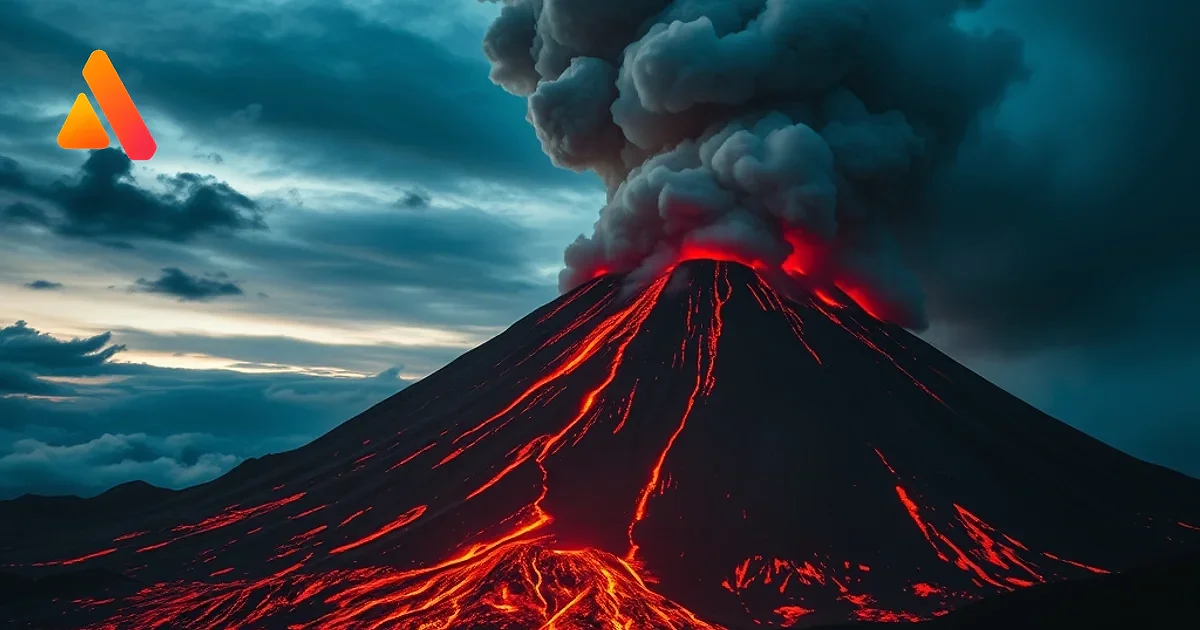
Mount Etna, the towering sentinel of Sicily, Italy, has once again reminded the world of its volatile nature. In a recent surge of volcanic activity, the mountain has unleashed a series of dramatic eruptions, characterized by the ejection of incandescent "balls of orange fire" into the night sky and the release of massive plumes of drifting volcanic ash. While these displays are visually stunning, they have triggered a logistical nightmare for regional transportation.
The impact on aviation has been severe. Over the past week, the continuing eruption has led to the cancellation of more than 700 flights, leaving thousands of travelers stranded. The primary casualty of this geological event has been the Catania Fontanarossa Airport (often referred to as Vincenzo Bellini Airport), the busiest aviation hub in Sicily. Authorities were forced to shut down the airport entirely as volcanic ash—which is hazardous to jet engines—blanketed the runways and permeated the surrounding airspace.
According to recent reports, the closure has been extended until Saturday afternoon. The decision to maintain the suspension is a safety precaution; volcanic ash consists of tiny fragments of jagged glass and rock, which can melt inside a plane's engine, causing total power loss. This disruption has not been limited to Sicily alone, with reports indicating that flight paths to and from Malta have also been affected, illustrating the wide reach of Etna's atmospheric influence.
Geological Profile of Europe's Most Active Volcano
Known locally as "Mongibello," Mount Etna is not merely a local landmark but a geological titan. It is recognized as Europe's largest and highest active volcano, towering approximately 3,324 meters above sea level. Its imposing presence dominates the skyline of Catania, the major city located on Sicily's eastern coast.
The secret to Etna's restlessness lies deep beneath the Earth's crust. Geologically, the volcano is positioned precisely above a complex convergent plate margin where the Eurasian Plate and the African Plate collide. This tectonic tension creates the perfect conditions for magma to rise to the surface, fueling the volcano's near-constant state of activity.
The scale of the volcano is immense. It covers an area of approximately 600 square miles (1,600 square km), with a base circumference stretching about 93 miles (150 km). One of the most fascinating aspects of Etna is its dynamic morphology. The summit's height is not static; it fluctuates based on eruptive cycles and structural collapses. For instance, historical records indicate that in 1865, the volcanic summit was approximately 170 feet (52 meters) higher than it was in the early 21st century, showcasing the constant cycle of growth and erosion that defines this volcanic giant.
A Long History of Frequent Eruptions
Salvatore Gambino, a director at a National Institute specializing in volcanology, emphasizes that frequent eruptions are the norm rather than the exception for Mount Etna. The volcano possesses one of the most comprehensive and longest historic records of eruptions in the world, with documented activity dating back more than 2,000 years. This longevity allows scientists to study patterns of activity that are rare in other volcanic systems.
Historically, Etna's eruptions have taken various forms. Some are "effusive," characterized by slow-moving lava flows that carve paths down the mountain's flanks. While these flows can destroy forests or rural structures, they rarely pose an immediate threat to densely populated urban centers due to their predictable speed. Other eruptions are "explosive," sending ash and tephra high into the stratosphere, which is exactly what has occurred during the current crisis.
The Conflict Between Nature and Modern Infrastructure
The current situation highlights a growing tension between natural geological processes and modern human infrastructure. While the residents of Catania and surrounding villages are largely accustomed to the sight of smoke on the horizon, the globalized nature of modern travel means that a local eruption can have international repercussions. The grounding of hundreds of flights demonstrates how a single geological event can paralyze regional commerce and tourism.
Volcanic ash is the primary culprit in these disruptions. Unlike wood ash, volcanic ash is abrasive and non-combustible. When ingested by a turbine engine, it can clog filters and cause the engine to flame out. Consequently, aviation authorities maintain a zero-tolerance policy regarding ash clouds, leading to the preemptive closures of airports like Catania Fontanarossa to ensure passenger safety.
Living in the Shadow of the Giant
Despite the risks, the region around Mount Etna is one of the most fertile in Italy. The volcanic soil, rich in minerals, supports a thriving agricultural industry, famous for its vineyards and citrus groves. This symbiotic relationship—where the volcano provides the nutrients for life while occasionally threatening to disrupt it—defines the cultural identity of eastern Sicily.
As the current eruption continues, monitoring stations are working around the clock to track the movement of the ash cloud and the stability of the summit craters. For the thousands of travelers currently rerouted or delayed, the event serves as a stark reminder that despite our technological advancements, we remain subject to the whims of the Earth's internal heat. The closure of Sicily's busiest airport is a small price to pay for safety, but it underscores the necessity for flexible infrastructure in regions prone to natural disasters.
Sumber / Sources
- Ash from Mount Etna eruption leads to hundreds of flight cancellations ...
- Etna Volcano, Sicily - Information, Photos and Activity Updates ...
- Mount Etna | Eruptions, History, & Facts - Britannica
- Mount Etna eruptions: here's the latest advice for travelling to Sicily
- Mount Etna eruption and volcanic ash shut Sicily's busiest airport
- Mount Etna - Wikipedia
Relevant solution
Website Development
Custom website development — fast, modern, ready to sell.
Related Articles

Integrasi AI Sales Assistant & Payment Gateway untuk Checkout
Tingkatkan konversi chat commerce dengan integrasi AI Sales Assistant dan Payment Gateway. Pelajari arsitektur checkout otomatis yang aman, bebas double-charge, dan siap skala produksi.

Qualcomm Bawa Linux ke Snapdragon X2: Era Baru AI PC ARM
Qualcomm resmi membawa dukungan Linux ke Snapdragon X2 Series untuk memperkuat ekosistem AI PC. Debian dan Ubuntu dijadwalkan hadir pada 2026, dengan laptop Linux pertama siap meluncur tahun 2027.

OCR Tradisional vs VLM: Solusi Dokumen Bisnis Modern
Masih mengandalkan OCR tradisional untuk invoice dan dokumen bisnis? Temukan mengapa Vision-Language Model (VLM) adalah solusi modern untuk mengatasi dokumen tidak terstruktur dan mengurangi koreksi manual.

Meta VR Glasses: Specs, Price, and Release Date Revealed
Meta has unveiled the Meta VR Glasses at Connect 2026, featuring a revolutionary 100-gram design and micro-OLED displays. Launching in Spring 2027 for $1,299, these glasses aim to replace bulky headsets with a portable, workstation-ready wearable.
Dapatkan Artikel Terbaru!
Berlangganan newsletter kami untuk mendapatkan tips dan insight menarik langsung ke inbox Anda.
Kami tidak akan pernah membagikan email Anda (No Spam).