
Pneumonic Plague: Symptoms, Transmission, and Risks

Key Takeaways
- Pneumonic plague is the most virulent and severe form of plague, caused by the Yersinia pestis bacteria.
- Transmission occurs through respiratory droplets from infected humans or animals, or when bacteria are inhaled directly into the lungs.
- The disease progresses rapidly, with incubation periods as short as 24 hours and symptoms that can appear within hours of infection.
Understanding Pneumonic Plague: The Most Severe Form of the Plague Bacteria
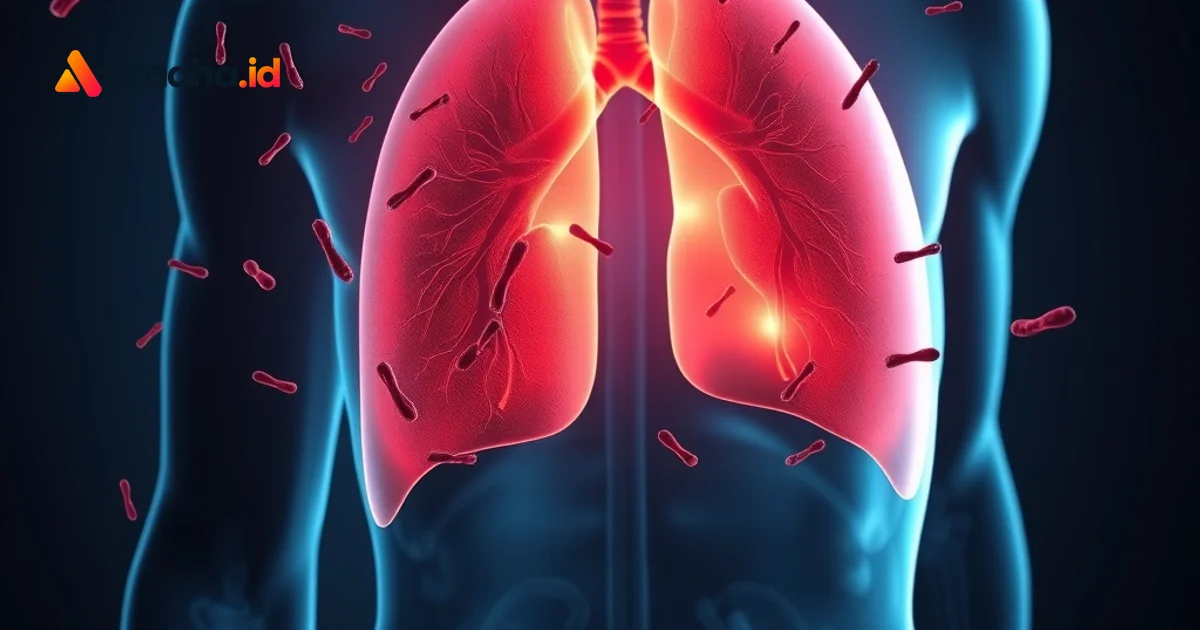
Plague is a serious zoonotic disease caused by the bacterium Yersinia pestis. While history often associates the plague with the "Black Death" and swollen lymph nodes, the disease manifests in three primary clinical forms: bubonic, septicaemic, and pneumonic. Among these, pneumonic plague—often referred to as lung-based plague—is recognized as the rarest, most severe, and most virulent version of the infection. While bubonic plague is the most common, the pneumonic variety represents the highest risk to public health due to its transmission method and fatality rate.
The pathogenesis of pneumonic plague is distinct. It can occur as a primary infection when the bacteria are inhaled directly into the lungs, or it can develop as a secondary complication of bubonic or septicaemic plague. In the latter case, the bacteria spread through the bloodstream from an initial site of infection to the pulmonary system. The Office of Research at Boston University notes that pneumonic plague occurs specifically when the lungs become infected either from the bloodstream or from inhaling the bacteria, emphasizing that an infectious dose can be as low as 100 organisms.
Transmission and Infection Pathways
The transmission of pneumonic plague is primarily respiratory, which distinguishes it from other forms of the plague that typically require a flea bite or direct contact with infected animal tissue. The Washington State Department of Health explains that when Y. pestis bacteria are inhaled, they bypass the lymphatic system and infect the lungs directly. This creates a dangerous cycle of transmission; once the lungs are compromised, the bacteria are expelled into the environment.
This infection can be spread through tiny droplets in the air released when an infected person talks, coughs, or sneezes. The CDC notes that the disease can be transmitted via respiratory droplets from infected animals or persons. Because it can spread from human to human, the World Health Organization reports that pneumonic plague is especially contagious and has the potential to trigger severe outbreaks if not contained immediately through strict isolation and antibiotic treatment.
Symptoms and Clinical Progression
Pneumonic plague is characterized by its rapid onset and devastating severity. Unlike many respiratory infections that build slowly, the progression of Y. pestis in the lungs is aggressive. The World Health Organization reports that the incubation period can be as short as 24 hours. Alodokter notes that symptoms may emerge within hours after a person is infected and then develop very quickly, leaving a very narrow window for effective medical intervention.
The clinical presentation typically mimics severe pneumonia but progresses much faster. Common symptoms include:
- Severe Respiratory Distress: Patients experience shortness of breath and chest pain, as noted by Wikipedia.
- High Fever and Chills: Sudden onset of fever is a hallmark of the infection, according to Glide Online Travel Clinic.
- Hemoptysis: A critical sign of the disease is the coughing up of blood, a detail highlighted by Maricopa County, AZ.
- Rapid Lung Failure: The Communicable Diseases Agency notes that the infection leads to severe pneumonia and difficulty breathing, which quickly evolves into respiratory failure.
Clinical Impact and Fatality Rates
Due to its extreme virulence, pneumonic plague is often fatal. The World Health Organization emphasizes that both the pneumonic and septicaemic forms are invariably fatal unless treated early. The speed at which the bacteria destroy lung tissue and enter the bloodstream makes it the most dangerous of the three plague types.
Recent documented cases underscore the persistent threat of the disease globally. The CDC reported a fatal case of pneumonic plague in Coconino County, Arizona, in July 2025, reminding health officials that the bacteria remain endemic in certain wildlife populations. Similarly, Beacon Bio reported the death of a nine-year-old girl in the village of Ampihadiamby, Ambositra District, Amoron'i Mania Region, who died of the plague on January 5, 2026. These cases illustrate that despite modern medicine, the plague remains a lethal threat in both rural and developed regions.
Comparative Analysis: Bubonic vs. Pneumonic Plague
To fully understand the danger of the pneumonic form, it is helpful to compare it with the more common bubonic plague. Wikipedia explains that bubonic plague primarily affects the lymph nodes, causing them to swell into painful lumps called buboes. While bubonic plague is serious, it is generally less fatal than the pneumonic form if treated. However, the GOV.UK guidance clarifies that pneumonic plague may result from the spread to the lungs from advanced bubonic plague, meaning a patient who survives the initial lymphatic infection may still succumb to pulmonary failure.
Furthermore, the transmission vectors differ. ResearchGate notes that plague is generally a zoonotic disease transmitted by fleas found on rodents. While bubonic plague requires this flea-to-human jump, pneumonic plague removes the need for an insect vector, allowing the bacteria to move directly from one human's lungs to another's. This shift from zoonotic to anthroponotic transmission is what makes the pneumonic form a primary concern for epidemiologists and global health organizations.
Prevention and Medical Urgency
The primary defense against pneumonic plague is early detection and the immediate administration of antibiotics. Because the disease progresses so rapidly, any delay in treatment significantly increases the likelihood of death. The Cleveland Clinic notes that plague is an illness caused by Yersinia pestis that can infect various systems, but the pulmonary system is the most fragile. Medical professionals prioritize the isolation of suspected pneumonic plague patients to prevent the respiratory spread to healthcare workers and the general public.
Public health strategies focus on monitoring rodent populations and educating people in endemic areas about the risks of inhaling contaminated droplets or handling infected animals. As the disease remains a potent pathogen, the ability to distinguish between a standard flu or pneumonia and the early stages of pneumonic plague is vital for survival.
Relevant solution
ePWS Puskesmas
Digital reporting for public health centers (Puskesmas).
Related Articles

Global Immunization Impact: Science, Strategy & Public Health
Discover how immunization prevents millions of deaths annually and explore the science of vaccines. Learn about Indonesia's 2025–2029 strategy to eliminate zero-dose children.
COVID-19 Cicada Variant BA.3.2: Origins and Impact
Explore the evolution of COVID-19 from its etymological roots to the emergence of the BA.3.2 'Cicada' variant. Learn about the genetic mutations and clinical impact of the latest strains.

How Vaccines Work: A Guide to Immunization and Public Health
Discover how vaccines train your immune system to fight pathogens and why widespread immunization is the key to preventing the resurgence of deadly diseases.

Vaccination Guide: How Vaccines Protect You and Your Community
Explore the comprehensive guide to vaccinations, from the science of active immunity to the vital role of community immunity. Learn why immunization is a lifelong journey that protects both you and the most vulnerable people around you.
Dapatkan Artikel Terbaru!
Berlangganan newsletter kami untuk mendapatkan tips dan insight menarik langsung ke inbox Anda.
Kami tidak akan pernah membagikan email Anda (No Spam).