
William Lawrence Wins Michigan 7th District Democratic Primary

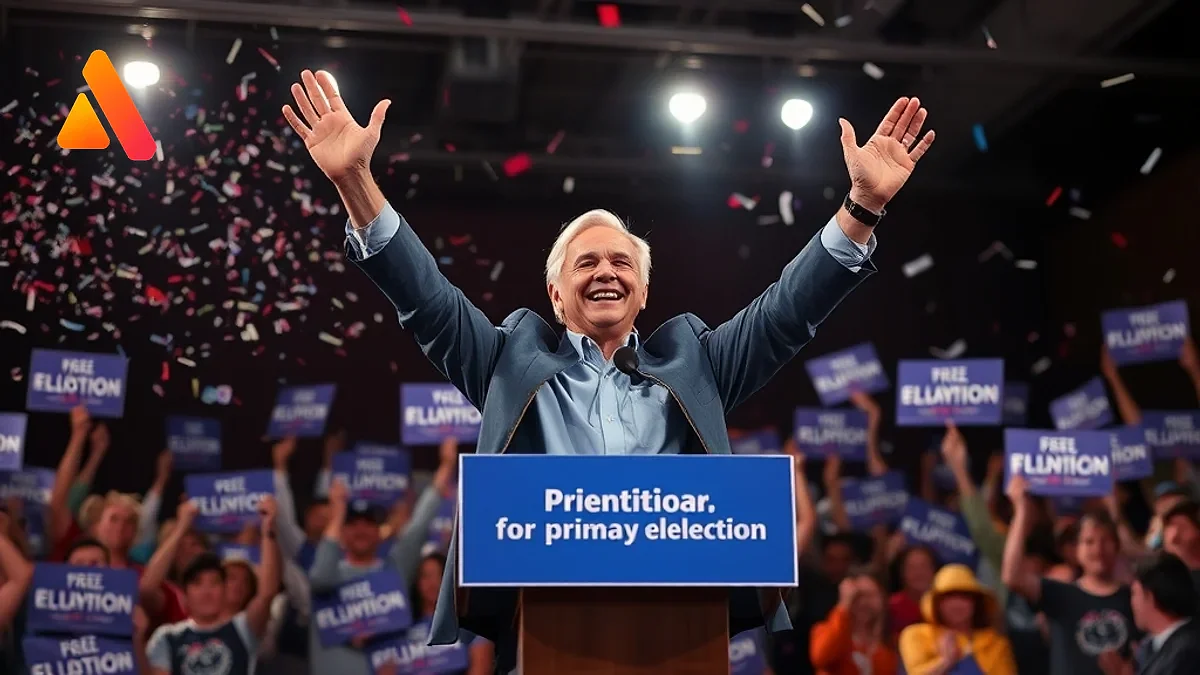
A Progressive Shift in Michigan's 7th Congressional District
In a result that has sent ripples through the national political landscape, William Lawrence has emerged victorious in the Democratic primary for Michigan's 7th Congressional District. This closely watched contest, centered in one of the most critical House battleground seats in the United States, marks a significant ideological shift for the Democratic ticket in mid-Michigan. Lawrence, a Lansing-area political organizer and seasoned activist, secured the nomination after a contentious three-person race, successfully defeating two more moderate candidates who sought to position themselves as the "safe" choice for a swing district.
The victory is not merely a local win but is being viewed by political analysts as a litmus test for the viability of progressive and democratic socialist platforms in rural and suburban swing districts. By consolidating the Democratic nomination, Lawrence has transitioned from a grassroots movement-builder to a formal candidate for federal office, setting up a high-stakes showdown in the general election.
The Profile of a Progressive Challenger
To understand the significance of William Lawrence's victory, one must look at his roots in grassroots activism. Lawrence is not a traditional politician; he is a co-founder of the Sunrise Movement, the youth-led organization that catapulted the climate crisis to the forefront of the national political conversation. His career has been defined by a commitment to systemic change, focusing on the intersection of environmental justice, economic inequality, and democratic reform.
Lawrence's political identity is firmly rooted in the progressive wing of the party. He maintains active memberships in the Working Families Party and the Democratic Socialists of America (DSA). These affiliations underscore his commitment to a platform that emphasizes expanded social services, a Green New Deal, and a fundamental restructuring of the American economy to favor workers over corporations.
His candidacy was bolstered by high-profile support from the left. Most notably, Lawrence received the backing of Senator Bernie Sanders, whose influence continues to resonate with the Democratic base. Furthermore, in a move that signaled a growing acceptance of his platform within the state's political establishment, Lawrence earned an endorsement from Michigan Senate Democrats during the primary process. This combination of grassroots energy and institutional support proved to be a winning formula against his more centrist opponents.
Analyzing the Primary Battle
The primary for Michigan's 7th District was characterized by a sharp ideological divide. While the moderate candidates argued that a centrist approach was necessary to flip a Republican-held seat in a swing district, Lawrence leaned into his progressive identity. He campaigned on the idea that the "moderate" strategy had failed to inspire the youth vote and failed to address the urgent needs of working-class families in mid-Michigan.
The race was a grueling three-way fight, but Lawrence's ability to mobilize a diverse coalition of young voters, climate activists, and labor supporters allowed him to overcome the deficit in name recognition that often plagues non-traditional candidates. His victory suggests that the Democratic electorate in this district may be more open to bold, progressive policy proposals than previously assumed by party strategists.
The Road to November: Lawrence vs. Barrett
The general election will see William Lawrence face off against the Republican incumbent, Congressman Tom Barrett. This matchup presents a stark contrast in political philosophy, making it one of the most ideologically polarized races in the country. Barrett, a staunch Republican, represents the traditional conservative wing of the GOP, focusing on deregulation, tax cuts, and a limited role for the federal government.
The 7th District is considered a critical battleground in the broader fight for the House majority. Because the margin of control in the House is often decided by a handful of seats, the outcome of the Lawrence-Barrett contest will have national implications. For Democrats, the goal is to prove that a progressive candidate can win in a district with a significant conservative presence. For Republicans, the strategy will likely involve painting Lawrence as "too radical" for the average Michigan voter.
Strategic Challenges and Opportunities
Despite his primary success, Lawrence faces a challenging path to victory in November. Political observers and some Democratic strategists have expressed concerns that his open affiliation with the Democratic Socialists of America could be a liability. In a swing district, the label of "socialist" is often weaponized by Republican opponents to alienate moderate and independent voters.
However, Lawrence's supporters argue that his authenticity is his greatest strength. By running on a platform of tangible improvements—such as healthcare expansion, climate resilience, and living wages—he may be able to bypass ideological labels and connect with voters based on their material needs. His experience with the Sunrise Movement has taught him how to frame complex policy issues in a way that resonates with a broad audience, a skill that will be vital in the coming months.
The Broader Implications for the 2026 Cycle
Lawrence's victory is part of a larger trend of progressive candidates notching upsets in Democratic primaries across the country. This shift indicates a growing appetite for a more assertive left-wing agenda within the party. If Lawrence is able to defeat an incumbent Republican like Tom Barrett, it could provide a roadmap for other progressive candidates to run in similar battleground districts, potentially shifting the entire center of gravity for the Democratic Party.
The race will be a key indicator of the political climate in Michigan's swing districts. It will test whether the "progressive wave" that Lawrence rode to the nomination can be translated into a general election victory, or if the divide between the primary electorate and the general electorate remains too wide to bridge.
Key Details of the Race Summary
- District: Michigan's 7th Congressional District
- Democratic Nominee: William Lawrence (Progressive/Socialist)
- Republican Incumbent: Tom Barrett
- Core Issues: Climate Change, Economic Inequality, Healthcare, and Labor Rights
- Key Endorsements: Bernie Sanders, Michigan Senate Democrats
As the campaign moves into the general election phase, all eyes will be on how Lawrence adapts his message to appeal to the wider electorate without alienating the progressive base that propelled him to victory. The transition from a grassroots organizer to a congressional candidate is a daunting one, but for William Lawrence, it is the next logical step in a lifelong commitment to social and environmental justice.
Sumber / Sources
- Will Lawrence emerges as victor in MI-7 Democratic Primary
- Progressive activist wins Democratic primary in one of the country's ...
- William Lawrence (activist) - Wikipedia
- Sunrise Movement co-founder William Lawrence wins Michigan battleground ...
- Bernie Sanders-backed William Lawrence wins Democratic primary in key ...
- William Lawrence wins Democratic primary for Michigan's 7th ...
Relevant solution
Website Development
Custom website development — fast, modern, ready to sell.
Related Articles
Cait Conley Wins NY-17 Democratic Nomination to Face Lawler
Combat veteran and national security expert Cait Conley has won the Democratic nomination for NY-17, setting up a high-stakes battle against incumbent Mike Lawler.

What is HYROX? The Ultimate Guide to Fitness Racing
Discover everything about HYROX, the 'World Series of Fitness Racing.' From its 8km run and functional workout structure to the Elite Series, learn why this hybrid sport is booming globally.

Bonsai 27B: LLM 27 Miliar Parameter Kini Bisa Jalan di iPhone
PrismML mendobrak batasan AI dengan Bonsai 27B, model LLM 27 miliar parameter yang dikompresi hingga 3,9 GB. Kini, performa AI kelas berat bisa berjalan lokal di iPhone dengan kecepatan 11 tok/s.

CPU Fujitsu MONAKA: Revolusi Sovereign AI dari Jepang
Fujitsu memperkenalkan CPU FUJITSU-MONAKA dan Server MONAKA untuk memperkuat kedaulatan AI Jepang. Temukan detail rencana fabrikasi 1,4nm dan target pasar globalnya di sini.
Dapatkan Artikel Terbaru!
Berlangganan newsletter kami untuk mendapatkan tips dan insight menarik langsung ke inbox Anda.
Kami tidak akan pernah membagikan email Anda (No Spam).