
How Vaccines Work: A Guide to Immunization and Public Health

Key Takeaways
- Vaccines function as pharmacologic compounds that train the immune system to recognize and defend against specific diseases.
- Widespread immunization is critical for public health, especially as global travel facilitates the spread of infectious diseases and previously controlled illnesses return.
- Immunizations are safe and effective for people of all ages, protecting both the individual and the surrounding community.
The Science of How Vaccines Work
At its core, a vaccine is a pharmacologic compound designed to strengthen an individual's immunity against a specific disease, as described by StatPearls. The fundamental goal of immunization is to prime the body's natural defenses so that it can respond rapidly and effectively if it ever encounters the actual pathogen in the wild.
The process begins when the immune system identifies a pathogenic virus or bacterium as foreign. This identification occurs through the detection of antigens, which are distinct protein segments or molecular markers on the surface of the invading organism. When a vaccine is introduced, it presents these antigens to the immune system in a controlled manner. According to the CDC, some immunizations work by teaching the immune system what a virus looks like, allowing the body to prepare its defenses without the person having to suffer through the actual illness.
The Mayo Clinic notes that vaccines help train the immune system to respond to the cause of an illness, while other types of immunizations provide medicine to assist the immune system's response. This "imitation infection," as described by OSF HealthCare, may cause minor symptoms such as a low-grade fever. These reactions are not signs of the disease itself, but rather evidence that the body is actively building its defenses and creating "memory cells" to recognize the pathogen in the future.
According to MedlinePlus Medical Encyclopedia, vaccines are used to boost the immune system, reduce the risk of infection, and lessen the severity of infections. Even if a vaccinated individual still contracts a disease, the pre-existing immune memory typically ensures that the illness is far less severe and the recovery time is shorter.
The Importance of Widespread Immunization
Immunizations play a vital role in maintaining global health and stability. HHS.gov emphasizes that vaccines save lives by protecting people throughout their lives from serious diseases, specifically mentioning whooping cough and measles. When a high percentage of a population is vaccinated, it creates a shield that protects not only the individual but also those who cannot be vaccinated due to medical reasons, such as severe allergies or compromised immune systems.
The urgency of these protections is highlighted by Penn Medicine, which notes that global travel has made it easier for infectious diseases to spread and for new viruses to emerge. In an interconnected world, a localized outbreak can quickly become a global concern. Furthermore, Penn Medicine points out that once-controlled diseases, such as measles and whooping cough, are making a comeback in various regions. This resurgence underscores the fact that immunization is not a one-time victory but a continuous necessity for individual well-being and public health.
The World Health Organization (WHO) describes vaccination as one of the most effective ways to prevent diseases, noting that over the past 50 years, essential vaccines against just 14 diseases have saved millions of lives. This success story extends across generations; as noted by the International Vaccine Institute (IVI), protection that begins in early childhood can carry forward into adulthood, extending to the health and stability of families and entire societies.
Clinical Administration and Global Strategies
To ensure that vaccines reach the people who need them most, the administration process must be streamlined and accessible. The American Academy of Family Physicians describes the use of standing orders, which are written protocols allowing qualified health care professionals—including pharmacists and nurses—to assess and administer vaccines without a specific physician order, provided the patients meet defined criteria. This removes bureaucratic hurdles and increases the speed of delivery during public health crises or routine clinic visits.
On a global scale, countries are implementing strategic policies to maintain health standards and close gaps in coverage. For instance, UNICEF reports that the Ministry of Health of Indonesia developed the Indonesia National Immunization Strategy (2025–2029), a five-year strategic policy document aimed at optimizing vaccine delivery. This effort is complemented by a coordinated national approach to counter falling immunization coverage and improve evidence generation, as noted by the World Health Organization. Such strategies are critical in ensuring that marginalized populations have equal access to life-saving medicine.
Preventive Care and Accessibility Across the Lifespan
A common misconception is that vaccines are only for children. However, vaccines are safe and effective for people of every age, protecting both the recipient and those around them, according to the Mayo Clinic. Immunization is a lifelong journey that evolves as the body ages and as new health risks emerge.
Professional organizations like the American Academy of Pediatrics (AAP) provide education and quality improvement courses regarding the administration of adolescent vaccines. A key example is the Human Papillomavirus (HPV) vaccine, which the AAP highlights as a safe and effective way to protect children and adolescents from certain types of cancers later in life. By integrating these vaccines into routine preventive care, healthcare providers can prevent chronic diseases before they ever develop.
To improve uptake, healthcare providers have modernized the scheduling process to reduce barriers to access. Sanford Health, for example, allows patients to schedule vaccine visits digitally via the My Sanford Chart system under the Find Care menu. This shift toward digital health integration ensures that patients can maintain their immunization schedules with minimal disruption to their daily lives.
Ultimately, as highlighted by Family Doctor.org, vaccines are an important part of family and public health because they slow the spread of contagious, dangerous, and deadly diseases. Whether through a child's first vaccinations or adult boosters, immunization remains one of the greatest success stories in the history of medicine, ensuring healthier futures for generations to come.
Sumber / Sources
- Immunization - StatPearls - NCBI Bookshelf - NIH
- Vaccine and immunization guidance from Mayo Clinic - Mayo Clinic
- Immunizations for Respiratory Viruses Prevention | Respiratory Illnesses | CDC
- Vaccines and Immunizations | Penn Medicine
- Indonesia National Immunization Strategy - UNICEF
- Vaccine Information for You and Your Loves Ones - HHS.gov
Relevant solution
ePWS Puskesmas
Digital reporting for public health centers (Puskesmas).
Related Articles
Pneumonic Plague: Symptoms, Transmission, and Risks
Pneumonic plague is the most lethal form of Yersinia pestis, capable of spreading person-to-person via respiratory droplets. Learn about its rapid progression, symptoms, and why immediate treatment is critical for survival.
Global Immunization Impact: Science, Strategy & Public Health
Discover how immunization prevents millions of deaths annually and explore the science of vaccines. Learn about Indonesia's 2025–2029 strategy to eliminate zero-dose children.
COVID-19 Cicada Variant BA.3.2: Origins and Impact
Explore the evolution of COVID-19 from its etymological roots to the emergence of the BA.3.2 'Cicada' variant. Learn about the genetic mutations and clinical impact of the latest strains.
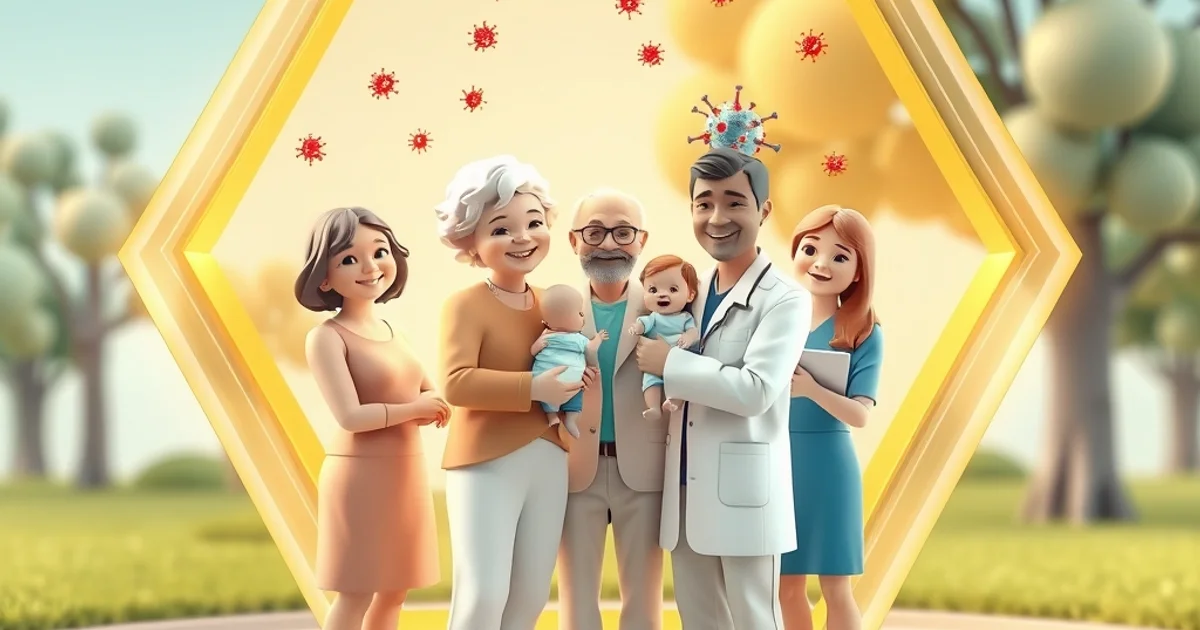
Vaccination Guide: How Vaccines Protect You and Your Community
Explore the comprehensive guide to vaccinations, from the science of active immunity to the vital role of community immunity. Learn why immunization is a lifelong journey that protects both you and the most vulnerable people around you.
Dapatkan Artikel Terbaru!
Berlangganan newsletter kami untuk mendapatkan tips dan insight menarik langsung ke inbox Anda.
Kami tidak akan pernah membagikan email Anda (No Spam).