
COVID-19 Cicada Variant BA.3.2: Origins and Impact

Key Takeaways
- The term "coronavirus" originates from the Latin word for crown and was coined by June Almeida and David Tyrrell.
- COVID-19 is a respiratory illness caused specifically by the SARS-CoV-2 virus.
- New mutations continue to emerge, including the BA.3.2 variant known as "cicada," which has been detected in 31 U.S. states.
The Origins and Naming of Coronaviruses
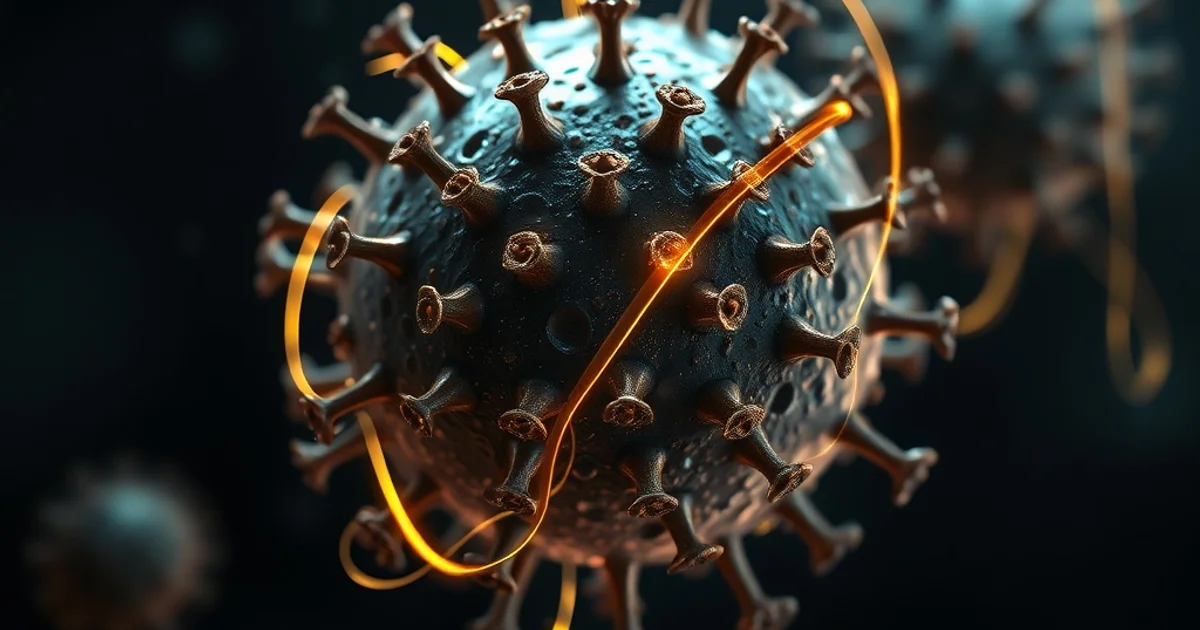
The terminology used to describe the viruses responsible for global pandemics is deeply rooted in classical languages. The term "coronavirus" is derived from the Latin word corona, which translates to "crown" or "wreath." This Latin term was itself borrowed from the Greek word korṓnē, meaning "garland" or "wreath." This naming convention is not merely poetic; it refers to the physical appearance of the virus under an electron microscope, where the spike proteins protruding from the viral envelope create a crown-like halo.
Wikipedia notes that the name was coined by David Tyrrell and June Almeida, the pioneering researchers who first studied and observed human coronaviruses. The term first appeared in print in 1968 within the journal Nature, utilized by an informal group of virologists to identify and categorize this new discovery. By establishing this nomenclature, scientists were able to group these viruses based on their shared morphology, though the severity of the diseases they cause varies significantly across different species and strains.
Distinguishing COVID-19 and the SARS-CoV-2 Virus
In public discourse, the terms "coronavirus," "SARS-CoV-2," and "COVID-19" are often used interchangeably, but they represent different biological and clinical concepts. "Coronavirus" refers to a broad family of viruses that can infect both animals and humans. Some cause the common cold, while others cause more severe respiratory illnesses.
Mayo Clinic clarifies that COVID-19—or Coronavirus Disease 2019—is the specific illness caused by the virus known as SARS-CoV-2 (Severe Acute Respiratory Syndrome Coronavirus 2). While the virus is the pathogen, COVID-19 is the clinical manifestation of the infection. These viruses are known to cause infections primarily in the respiratory tract, as highlighted by repository.bku.ac.id, which can range from mild symptoms to critical pneumonia and multi-organ failure.
Global health organizations and government agencies continue to monitor the disease's trajectory. The World Health Organization (WHO) provides comprehensive fact sheets covering transmission, symptoms, prevention, treatment, and the development of vaccines. Similarly, the Centers for Disease Control and Prevention (CDC) maintains surveillance and data analytics to track COVID-19 trends over time, providing visualizations of the data to monitor the impact of the virus on public health infrastructure.
The Evolution and Emergence of the 'Cicada' Variant
Viruses are dynamic entities that continue to mutate as they replicate, leading to the emergence of new strains that may possess different characteristics regarding transmissibility, virulence, and immune evasion. A significant development in this evolutionary timeline is the emergence of the BA.3.2 variant, colloquially known as the "Cicada" variant.
The Health Thread reports that as the world navigated the spring of 2026, this highly mutated variant began spreading across the United States and dozens of other countries. The nickname "Cicada" is particularly apt; PBS notes that the variant is analogous to the insect's pattern, having first appeared in late 2024, gone dormant, and then resurfaced with intensity. Health and Me reports that the variant was first reported in November 2024 and has since been identified in more than 20 countries.
From a genetic standpoint, BA.3.2 is a heavily mutated Omicron subvariant. Wikipedia explains that it descended from an ancestral version of Omicron Subvariant BA.3 that had not circulated since early 2022. The genetic divergence is stark: BA.3.2 possesses more than 50 mutations on its spike protein relative to BA.3, and more than 70 spike mutations relative to the original Wuhan wildtype virus.
Clinical Implications of BA.3.2
The high number of mutations in the spike protein—the primary target for both natural immunity and vaccines—raises concerns about immune escape. Medical Science Monitor notes that the Cicada variant has 70-75 substitutions and deletions in the spike (S) protein gene sequence relative to the JN.1 variant and its descendant, LP.8.1, which were the antigens used in the 2025-26 COVID-19 vaccines. Respiratory-therapy.com further emphasizes that these significant genetic changes may impact the overall effectiveness of existing vaccines.
Despite these mutations, the clinical presentation of the disease remains relatively stable. Stony Brook Medicine reports that health experts believe the BA.3.2 "Cicada" variant does not currently cause any new or unusual symptoms compared to other Omicron variants. While it may contribute to seasonal increases in case numbers, it does not appear to dramatically change the overall risk landscape for the general population at this time.
Management, Prevention, and Public Health Response
Because coronaviruses vary in their impact, health resources emphasize the importance of understanding the different types of human coronaviruses. The CDC provides detailed overviews regarding the transmission and prevention of common human coronaviruses, emphasizing that basic hygiene and vaccination remain the primary lines of defense.
For clinical professionals, the New England Journal of Medicine (NEJM) maintains a collection of management guidelines, clinical reports, and commentary to assist in the handling of the COVID-19 outbreak and its subsequent variants. These guidelines are critical for adapting treatment protocols as the virus evolves from the original strain to complex subvariants like BA.3.2.
The ongoing surveillance by the CDC and WHO ensures that new variants are identified quickly. By utilizing genomic sequencing, scientists can track how the "Cicada" variant moves through different populations, allowing for the potential update of vaccine formulations to better match the circulating spike proteins. The transition from a pandemic response to a long-term management strategy involves continuous monitoring of these mutations to prevent future surges in hospitalization and mortality.
Relevant solution
ePWS Puskesmas
Digital reporting for public health centers (Puskesmas).
Related Articles
Pneumonic Plague: Symptoms, Transmission, and Risks
Pneumonic plague is the most lethal form of Yersinia pestis, capable of spreading person-to-person via respiratory droplets. Learn about its rapid progression, symptoms, and why immediate treatment is critical for survival.

Global Immunization Impact: Science, Strategy & Public Health
Discover how immunization prevents millions of deaths annually and explore the science of vaccines. Learn about Indonesia's 2025–2029 strategy to eliminate zero-dose children.

How Vaccines Work: A Guide to Immunization and Public Health
Discover how vaccines train your immune system to fight pathogens and why widespread immunization is the key to preventing the resurgence of deadly diseases.

Vaccination Guide: How Vaccines Protect You and Your Community
Explore the comprehensive guide to vaccinations, from the science of active immunity to the vital role of community immunity. Learn why immunization is a lifelong journey that protects both you and the most vulnerable people around you.
Dapatkan Artikel Terbaru!
Berlangganan newsletter kami untuk mendapatkan tips dan insight menarik langsung ke inbox Anda.
Kami tidak akan pernah membagikan email Anda (No Spam).