
Global Immunization Impact: Science, Strategy & Public Health

Key Takeaways
- Immunization is a fundamental pillar of public health, with vaccines now available to prevent more than 30 life-threatening diseases.
- Indonesia is implementing a five-year National Immunization Strategy (2025–2029) to combat falling coverage and reach "zero-dose" children.
- Vaccines vary by type, including live attenuated versions used for measles, mumps, rubella, and chickenpox.
The Fundamental Role of Immunization in Public Health
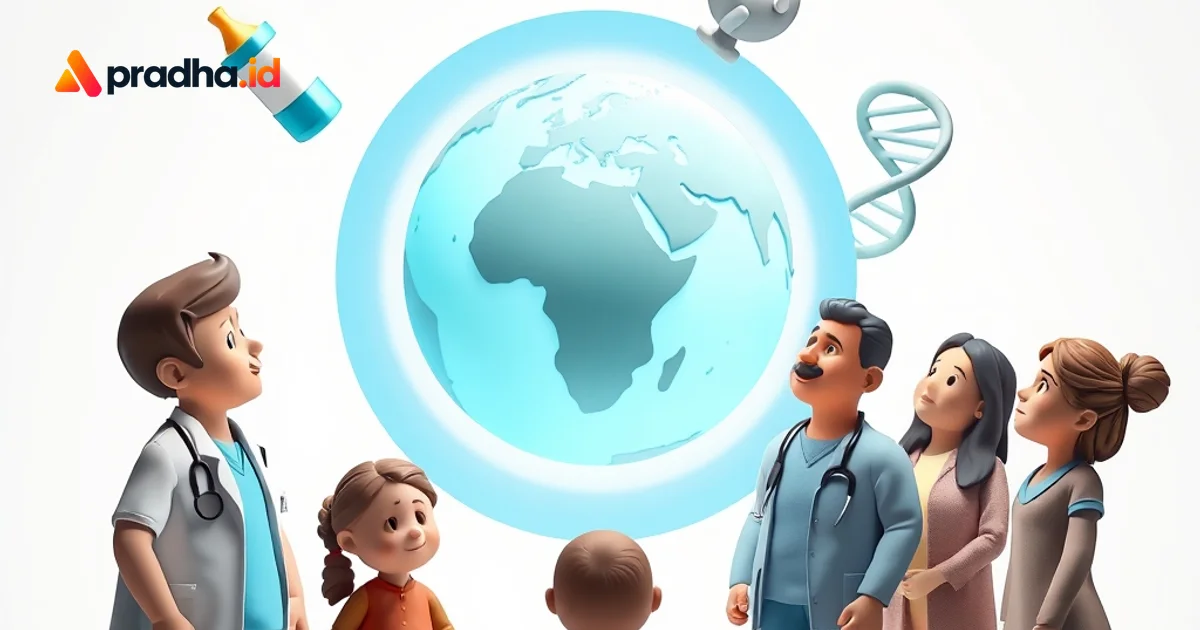
Immunization serves as a cornerstone of modern preventive medicine and public health. By utilizing vaccines, many infectious diseases have been controlled or virtually eliminated. The World Health Organization (WHO) notes that vaccines currently exist to prevent more than 30 life-threatening infections, which contributes to people of all ages living longer and healthier lives. The scale of this impact is staggering; the ECDC reports that immunization prevents between 3.5 and 5 million deaths annually.
Beyond the immediate prevention of illness, the economic and societal benefits are profound. ScienceDirect highlights that immunization against 14 different pathogens showed favorable economic outcomes, with measles vaccination producing the highest Benefit-Cost Ratio (BCR) of 73.97. This demonstrates that for every dollar invested in vaccination, the return in terms of healthcare savings and productivity is immense. Furthermore, UNICEF reports that over the past 50 years, immunization has helped cut global infant deaths by 40 percent, cementing its status as one of the most powerful tools for child survival.
The Science of Vaccine Types and Administration
The efficacy of a vaccination program depends on the precise application of different vaccine technologies tailored to specific pathogens. The MedlinePlus Medical Encyclopedia explains that live virus vaccines utilize a weakened, or attenuated, form of the virus; examples include the varicella (chickenpox) vaccine and the measles, mumps, and rubella (MMR) vaccine. These vaccines typically trigger a strong and long-lasting immune response because they mimic a natural infection.
In addition to live vaccines, modern medicine has developed combination vaccines to increase compliance and reduce the number of injections required. Puri Bunda Hospital highlights the DPT-HB-HiB immunization, which provides simultaneous protection against six different diseases: tetanus, pertussis (whooping cough), diphtheria, hepatitis B, and Haemophilus influenzae type b. This integrated approach ensures that infants are protected against multiple threats during their most vulnerable stages of development.
Critical Schedules for Pediatric Efficacy
For children, specific schedules are critical for efficacy. Siloam Hospitals details that certain first doses are administered between 6–12 weeks of age, with a second dose following four weeks later, or by a maximum of 24 weeks. Adhering to these timelines is essential to prevent the "window of vulnerability" where a child is exposed to pathogens before their immune system is fully primed.
However, maintaining these schedules is becoming increasingly difficult globally. The National Vaccination Insights project reports that parental barriers to timely childhood vaccination are a growing concern. Springer notes that the well-being of children is endangered because of the increase in disease outbreaks that vaccinations can prevent, often driven by a lack of parental knowledge or vaccine hesitancy.
Immunization Strategy in Indonesia
Indonesia is currently navigating complex challenges related to immunization coverage. The World Health Organization (WHO) reports that the country is advancing a coordinated national approach to counter falling immunization coverage while improving evidence generation. The decline in coverage is often attributed to logistical hurdles in remote regions and the lingering effects of pandemic-era disruptions.
To address these issues, the Ministry of Health of Indonesia developed the Indonesia National Immunization Strategy (2025–2029). Unicef describes this five-year strategic policy document as a guide for the nation's immunization efforts. A primary objective of this strategy is reaching "zero-dose" children—those who have not received any doses of basic vaccines. By identifying and targeting these marginalized populations, Indonesia aims to close the immunity gap and prevent localized outbreaks.
Despite these challenges, progress is evident. The Badankebijakan Kemkes indicates that Indonesia has already made significant progress in child health development, with the coverage of complete basic immunization reaching 80%. This foundation is critical for achieving herd immunity, where a sufficient portion of the population is immune to an infectious disease, thereby making its spread unlikely.
The Evolving Landscape: Adult Immunization and Global Trends
While childhood immunization often takes center stage, the scope of preventive medicine is expanding. The IFPMA emphasizes that as populations age and rates of non-communicable diseases rise across all demographics, adult immunization represents a high-impact strategy for creating productive economies and resilient societies. Vaccines for adults—such as those for influenza, pneumonia, and shingles—reduce the burden on healthcare systems by preventing severe complications in elderly populations.
On a global scale, the progress is uneven. The WHO reports that in 2025, 90% of infants globally—nearly 116 million—received at least one dose of a diphtheria, tetanus, and pertussis (DTP) vaccine. However, the WHO also warns that while immunization remains one of the most successful public health interventions, overall coverage has held steady since 2024, indicating a plateau that requires urgent policy intervention to overcome conflict and vaccine hesitancy.
Conclusion: A Path Toward Global Health Security
The synergy between scientific innovation and strategic implementation is what makes immunization successful. From the molecular level of attenuated viruses to the national level of the Indonesia National Immunization Strategy, every layer of the process is designed to save lives. MDPI concludes that vaccines are among the most effective public health interventions, significantly reducing morbidity and mortality from infectious diseases.
Ensuring that every child and adult has access to these life-saving tools is not merely a medical goal but a societal imperative. By focusing on the "zero-dose" children and expanding adult vaccination programs, nations can build a shield against future pandemics and ensure a healthier, more resilient global population.
Professional Resources and Education
Maintaining high immunization standards requires ongoing education for healthcare providers. The CDC provides a variety of training formats on vaccine-specific information and immunization basics, including the comprehensive "Pink Book." Similarly, the American Academy of Pediatrics (AAP) offers education courses and quality improvement tools specifically focused on providing human papillomavirus vaccines.
Sumber / Sources
- Immunization - StatPearls - NCBI Bookshelf - NIH
- Indonesia National Immunization Strategy - Unicef
- Vaccines - immunizations: MedlinePlus Medical Encyclopedia
- Childhood Immunization - Puri Bunda Hospital
- Vaccines and immunization - World Health Organization (WHO)
- Reaching Zero-Dose Children in Indonesia: From a Service-Based ...
Relevant solution
ePWS Puskesmas
Digital reporting for public health centers (Puskesmas).
Related Articles
Pneumonic Plague: Symptoms, Transmission, and Risks
Pneumonic plague is the most lethal form of Yersinia pestis, capable of spreading person-to-person via respiratory droplets. Learn about its rapid progression, symptoms, and why immediate treatment is critical for survival.
COVID-19 Cicada Variant BA.3.2: Origins and Impact
Explore the evolution of COVID-19 from its etymological roots to the emergence of the BA.3.2 'Cicada' variant. Learn about the genetic mutations and clinical impact of the latest strains.
How Vaccines Work: A Guide to Immunization and Public Health
Discover how vaccines train your immune system to fight pathogens and why widespread immunization is the key to preventing the resurgence of deadly diseases.
Vaccination Guide: How Vaccines Protect You and Your Community
Explore the comprehensive guide to vaccinations, from the science of active immunity to the vital role of community immunity. Learn why immunization is a lifelong journey that protects both you and the most vulnerable people around you.
Dapatkan Artikel Terbaru!
Berlangganan newsletter kami untuk mendapatkan tips dan insight menarik langsung ke inbox Anda.
Kami tidak akan pernah membagikan email Anda (No Spam).