
Vaccination Guide: How Vaccines Protect You and Your Community

Key Takeaways
- Vaccines provide active acquired immunity by using agents that resemble disease-causing microorganisms.
- Immunization is a lifelong process starting at birth and continuing through old age to protect against serious diseases.
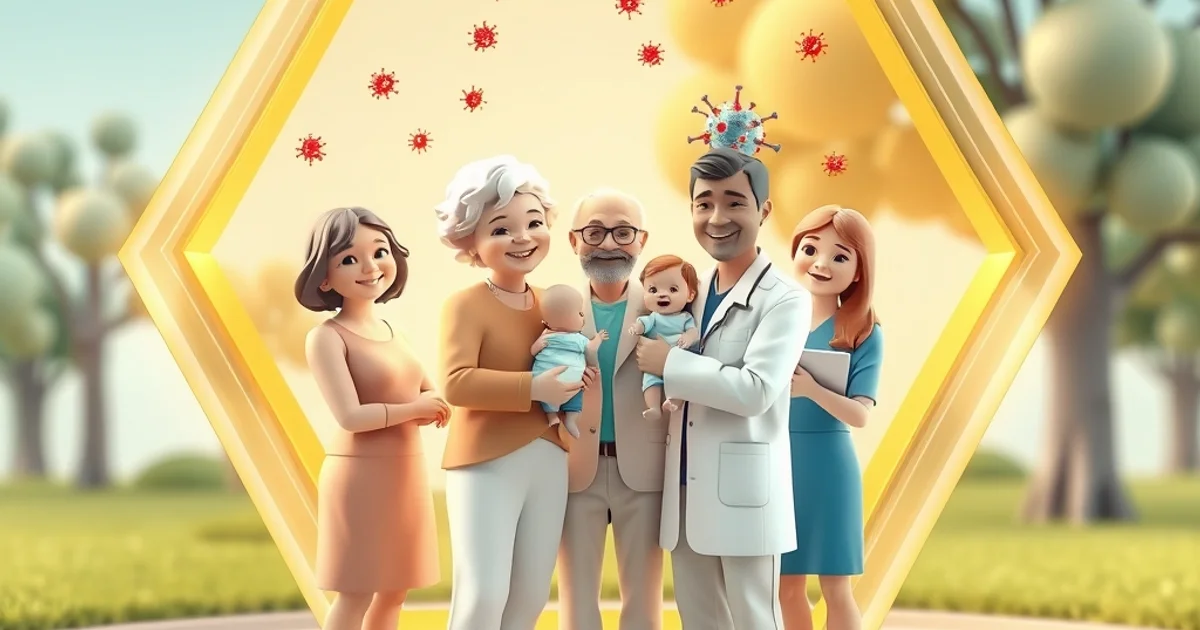
- Vaccination contributes to "community immunity," protecting those who are too sick or young to be vaccinated.
- Annual flu shots are recommended for most individuals aged 6 months and older.
What is a Vaccine and How Does It Work?
A vaccine is a sophisticated biological preparation designed to provide active acquired immunity to a specific malignant or infectious disease. According to Wikipedia, these preparations contain agents that resemble a disease-causing microorganism. This agent is often created from the toxins of the microbe, or from killed or weakened forms of the microbe itself. The effectiveness and safety of these preparations have been widely verified and studied through rigorous clinical trials and decades of real-world application, ensuring they meet strict safety standards before public distribution.
The biological mechanism of vaccination is rooted in the body's natural defense system. OSF HealthCare explains that vaccines work by mimicking an infection, which trains the immune system to recognize and fight specific pathogens without the person having to suffer through the actual disease. This "training" process allows the body to develop a blueprint for fighting the virus or bacteria.
The World Health Organization notes that our immune systems are designed to remember; once exposed to one or more doses of a vaccine, the body typically remains protected against a disease for a significant period, often for a lifetime. This is achieved by creating "memory cells" that can quickly respond if the actual pathogen enters the body in the future. PMC emphasizes that decades of evidence show vaccines are the most reliable means of protecting individuals and their communities from illness. By introducing a harmless version of a virus or bacteria, the vaccine triggers the production of antibodies, ensuring that the individual is prepared for future encounters with the actual pathogen.
The Lifelong Importance of Immunization
Vaccinations are a critical component of public and family health because they slow the spread of deadly, dangerous, and contagious diseases, as noted by FamilyDoctor.org. A common misconception is that immunization is a childhood milestone that, once completed, requires no further attention. In reality, protection is not a one-time event but a lifelong journey. The World Health Organization explains that vaccines protect individuals from birth through childhood, into their teenage years, and into old age.
Childhood and Adolescent Protection
For children and teens, the CDC emphasizes that following a recommended vaccine schedule provides the best protection against potentially serious diseases. During the early years of life, the immune system is still developing, making children particularly susceptible to infections that could lead to permanent disability or death. UNICEF reports that vaccines are among the safest and most effective public health tools available, preventing between 3.5 to 5 million deaths every year from diseases such as measles.
Routine childhood immunizations are vital to both individual and society health, as highlighted by MoHSSNamibia. To track these requirements, most countries provide a vaccination card. The World Health Organization notes that these cards record which vaccines have been administered and indicate when booster doses or subsequent vaccines are due. This tracking is essential because delaying these doses can increase health risks and leave children vulnerable during critical developmental windows where their immunity may be insufficient to fight off aggressive pathogens.
Adult Vaccination and Specific Recommendations
As individuals age, the immunity provided by childhood vaccines may wane, and new health risks emerge. Immunization remains necessary well into adulthood to combat this waning immunity. The American Academy of Family Physicians (AAFP) recommends that everyone aged 6 months and older receive annual flu vaccinations, provided they do not have a medical reason to avoid the vaccine. Because influenza viruses mutate rapidly, the annual update to the vaccine is necessary to match the circulating strains.
The CDC advises annual influenza vaccinations for all adults to mitigate the risk of severe respiratory complications, which can be life-threatening for those with underlying conditions. Furthermore, StatPearls - NCBI Bookshelf - NIH details that pneumococcal vaccination is specifically recommended for older adults. This demographic is more susceptible to pneumonia and other invasive pneumococcal diseases, which can lead to sepsis or meningitis.
Modern healthcare providers have expanded access to these life-saving tools to make them more convenient for the working population. For instance, CVS provides over 15 different vaccines, including those for COVID-19, RSV, measles, hepatitis B, and pneumonia. Additionally, they offer eight different travel vaccines to protect individuals moving between different geographical regions with varying endemic diseases, ensuring that global mobility does not come at the cost of personal health.
The Concept of Community Immunity
The benefits of vaccination extend far beyond the individual. The New York State Department of Health explains the concept of "herd immunity" or "community immunity." This occurs when a large portion of a population is immune to a contagious disease, making the spread of the disease from person to person unlikely. When the chain of transmission is broken, the disease cannot find enough susceptible hosts to sustain an outbreak.
HHS.gov explains that when enough people are vaccinated against a certain disease, the germs cannot travel as easily, which protects the entire community. This is particularly vital for those who cannot be vaccinated for medical reasons. These vulnerable groups include newborns who are too young for certain shots, people with severe allergies to vaccine ingredients, or individuals with compromised immune systems (such as those undergoing chemotherapy). The ECDC.EU notes that by ensuring a high vaccination rate, the community creates a shield that protects those who are too young or too sick to receive the shots themselves.
Maintaining these high rates is a constant public health challenge. Mipha.org emphasizes that public health experts must prioritize maintaining high vaccination rates to preserve community immunity, as any dip in coverage can lead to the resurgence of previously controlled diseases. We have seen this in recent years with the return of measles in areas where vaccination rates dropped. Vaccination-info.europa.eu further explains that this collective immunity is the primary mechanism for preventing widespread outbreaks and pandemics, acting as a societal safety net.
Targeting Deadly Diseases for Global Health
By targeting serious and sometimes deadly diseases—such as measles and haemophilus influenzae type b (Hib)—vaccines play a fundamental role in maintaining overall global health, according to HHS.gov. The ability to eliminate or drastically reduce the prevalence of these diseases has led to a significant increase in life expectancy and a decrease in childhood mortality worldwide. The eradication of smallpox stands as the greatest achievement in the history of vaccination, proving that coordinated global efforts can completely remove a threat from the human population.
The synergy between individual protection and community immunity ensures that the most vulnerable populations are not left behind. As highlighted by Anthc.org, vaccines protect more than just the person receiving the injection; they protect the collective. This altruistic aspect of vaccination means that getting a shot is not only a personal health decision but a civic responsibility.
Through the combination of routine schedules, adult boosters, and a commitment to community-wide coverage, vaccination remains the cornerstone of modern preventive medicine. By staying informed and keeping immunization records up to date, individuals contribute to a world where preventable diseases no longer dictate the quality or length of human life.
Relevant solution
ePWS Puskesmas
Digital reporting for public health centers (Puskesmas).
Related Articles
Pneumonic Plague: Symptoms, Transmission, and Risks
Pneumonic plague is the most lethal form of Yersinia pestis, capable of spreading person-to-person via respiratory droplets. Learn about its rapid progression, symptoms, and why immediate treatment is critical for survival.
Global Immunization Impact: Science, Strategy & Public Health
Discover how immunization prevents millions of deaths annually and explore the science of vaccines. Learn about Indonesia's 2025–2029 strategy to eliminate zero-dose children.
COVID-19 Cicada Variant BA.3.2: Origins and Impact
Explore the evolution of COVID-19 from its etymological roots to the emergence of the BA.3.2 'Cicada' variant. Learn about the genetic mutations and clinical impact of the latest strains.
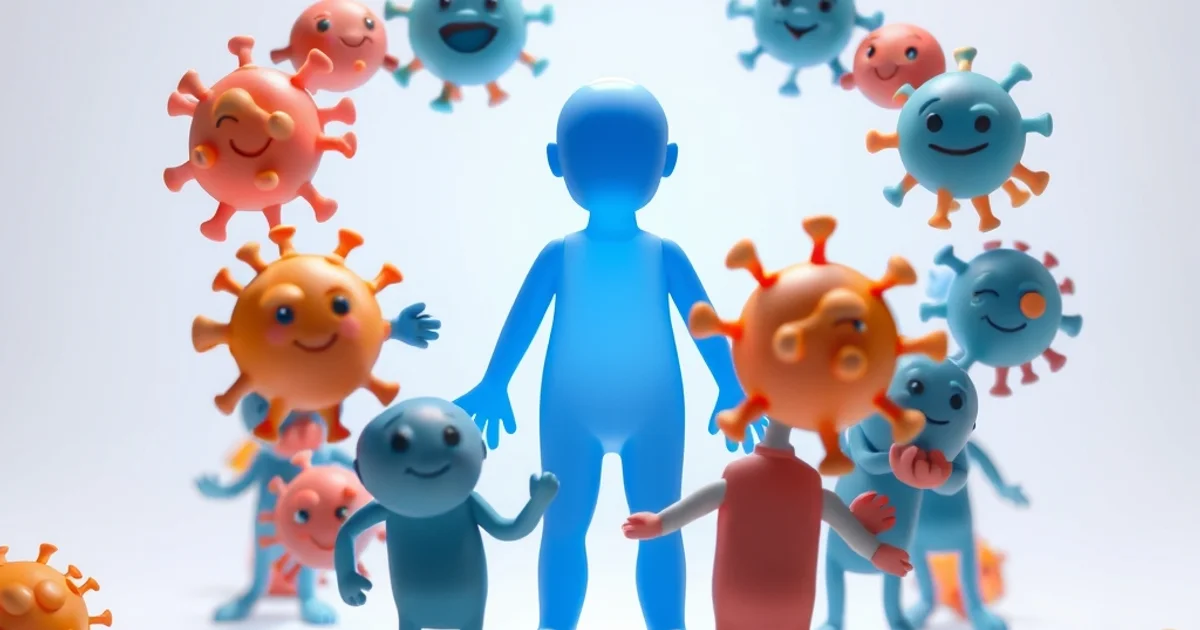
How Vaccines Work: A Guide to Immunization and Public Health
Discover how vaccines train your immune system to fight pathogens and why widespread immunization is the key to preventing the resurgence of deadly diseases.
Dapatkan Artikel Terbaru!
Berlangganan newsletter kami untuk mendapatkan tips dan insight menarik langsung ke inbox Anda.
Kami tidak akan pernah membagikan email Anda (No Spam).