
How Vaccines Work: A Complete Guide to Immunization

Key Takeaways
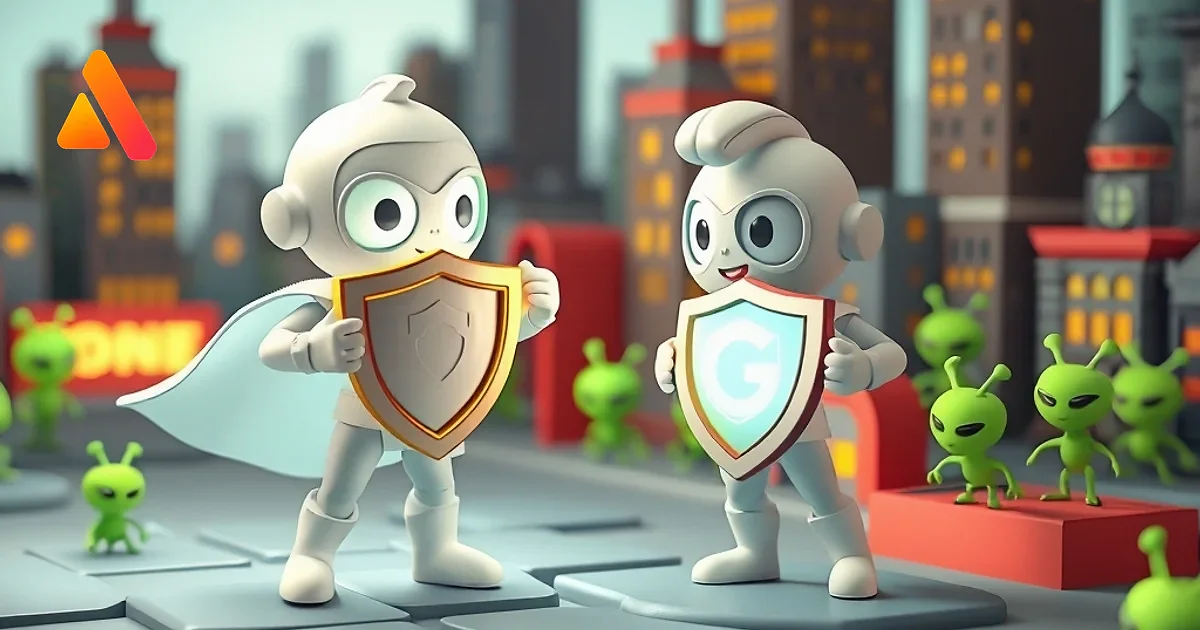
- Vaccines are clinical products designed to elicit protective immunity by stimulating the immune system to attack specific harmful agents.
- Vaccination is the most effective method for preventing infectious diseases and has led to the worldwide eradication of smallpox.
- Vaccine types vary from inactivated and live-attenuated to mRNA and subunit preparations.
- Immunization schedules exist for all stages of life, from birth through childhood, adolescence, and into old age.
Vaccines serve as a fundamental pillar of modern medicine, playing a critical role in maintaining public health and protecting individuals from serious, and sometimes deadly, diseases. By preparing the body to fight off pathogens, vaccines prevent outbreaks and reduce the global burden of infectious illness. In an era of global travel and emerging zoonotic diseases, understanding the science of immunization is more critical than ever for ensuring individual and community safety.
What is a Vaccine?
At its core, a vaccine is a clinical product designed to strengthen an individual's immunity against a specific disease. It functions as a pharmacologic compound that mimics a natural infection without causing the illness itself. According to Britannica, a vaccine may be a suspension of toxins, killed or weakened microorganisms, or other biological preparations such as lymphocytes, antibodies, or messenger RNA (mRNA).
The primary goal of any vaccine is to introduce antigens—distinct protein segments or sugars from a pathogen—into the body. When these antigens enter the system, the immune system identifies them as foreign invaders. This triggers a complex biological response where the body produces antibodies and activates specialized white blood cells to neutralize the threat. By exposing the body to a harmless version of the germ, vaccines ensure that if the person ever encounters the actual disease in the wild, their immune system can respond rapidly and effectively to prevent infection or reduce the severity of the illness.
The Biological Mechanism: How Vaccines Work
To understand vaccines, one must understand the immune system's "memory." When a pathogen enters the body for the first time, the immune system takes time to identify the intruder and create the correct antibodies to fight it. During this lag period, the person becomes sick.
The Role of Antibodies and Memory Cells
Vaccines bridge this gap by safely teaching the immune system to recognize certain germs. When a vaccine is administered, the body undergoes a process of primary immune response. It creates B-cells and T-cells specifically designed to target the vaccine's antigens. Once the threat is cleared, the body retains "memory cells."
These memory cells act as a biological security system. If the actual virus or bacterium enters the body months or years later, these cells immediately recognize the pathogen and trigger a massive production of antibodies. This secondary response is so fast that the pathogen is often eliminated before the person even feels a single symptom. This is the essence of immunization: creating a biological defense system that is always on alert.
Types of Vaccine Technology
Medical science utilizes several different methods to create vaccines, depending on the nature of the pathogen and the desired immune response. Not all germs are the same; some are fragile, while others are hardy, requiring different technological approaches.
1. Inactivated Vaccines
Inactivated vaccines use a killed version of the germ. Because the pathogen is dead, it cannot replicate or cause disease, making these vaccines very safe for people with weakened immune systems. However, they often provide a weaker immune response than live vaccines, which is why they frequently require booster shots to maintain protection over time. Examples include the polio vaccine (IPV) and the rabies vaccine.
2. Live-Attenuated Vaccines
Live-attenuated vaccines use a weakened form of the germ. These are designed to be similar to a natural infection, which creates a strong and long-lasting immune response. In many cases, just one or two doses provide a lifetime of protection. Because they contain a small amount of live virus, they are generally not recommended for individuals with severely compromised immune systems. Common examples include the Measles, Mumps, and Rubella (MMR) vaccine.
3. Messenger RNA (mRNA) Vaccines
mRNA vaccines represent a revolutionary leap in biotechnology. Unlike traditional vaccines, they do not use any part of the actual germ. Instead, they provide a genetic "instruction manual" to the body's cells. This mRNA tells the cells to produce a harmless piece of a protein (such as the spike protein found on the surface of a virus). The immune system recognizes this protein as foreign and builds a defense against it. Once the protein is made, the body breaks down the mRNA and disposes of it, leaving behind the immune memory.
4. Subunit, Recombinant, and Polysaccharide Vaccines
These vaccines focus on specific pieces of the germ—such as its protein, sugar, or casing (capsid). By using only the essential antigens, these vaccines trigger a very targeted immune response. They are highly effective and have a lower risk of side effects because they contain only the necessary components of the pathogen. The Hepatitis B and HPV vaccines are prime examples of this technology.
5. Toxoid Vaccines
Some bacteria cause illness not by their presence, but by releasing toxins. Toxoid vaccines use a weakened version of these toxins (called toxoids) to train the immune system to neutralize the poison rather than the bacteria itself. This is the primary method used for tetanus and diphtheria prevention.
The Impact of Vaccination on Global Health
The administration of vaccines, known as vaccination, is recognized as the most effective method for preventing infectious diseases. The public health value of vaccines cannot be overstated; they underpin global health security and serve as a vital tool in controlling outbreaks before they become pandemics.
The World Health Organization (WHO) notes that widespread immunity resulting from coordinated vaccination efforts is largely responsible for the worldwide eradication of smallpox, one of the greatest achievements in medical history. Furthermore, these efforts have successfully restricted the prevalence of other dangerous diseases, such as tetanus, measles, and polio, in much of the world. Beyond saving lives, vaccines reduce the economic burden on healthcare systems by preventing hospitalizations and long-term disability associated with chronic infectious diseases.
Lifelong Immunization Schedules
Protection through vaccination is not limited to a single event but is often a lifelong process. Because the immune system's memory can fade over time, and because different pathogens emerge at different stages of life, immunization is structured as a continuous journey.
Childhood Immunization
For children, specific vaccine schedules are provided from birth through 18 years old. This ensures that infants, whose immune systems are still developing, receive timely protection against life-threatening illnesses like haemophilus influenzae type b (Hib), pertussis, and rotavirus. These early interventions are critical for reducing child mortality rates globally.
Adolescent and Adult Boosters
As individuals transition into adolescence and adulthood, certain vaccines require "boosters." A booster dose is an additional dose of a vaccine that "reminds" the immune system of the pathogen, ramping up antibody levels that may have declined. For example, the Tetanus-Diphtheria (Td) booster is typically recommended every ten years.
Immunization in Old Age
Vaccination remains vital in old age, as the immune system naturally weakens (a process called immunosenescence). Seniors are more susceptible to complications from the flu, pneumonia, and shingles. Tailored vaccines for older adults help maintain their quality of life and prevent severe respiratory infections.
Managing Health Records: The Role of Vaccination Cards
To manage these complex health measures, most countries utilize vaccination cards or digital health records. These records track which vaccines an individual has received and indicate exactly when booster doses or subsequent vaccinations are due. Maintaining up-to-date records is considered essential for several reasons:
- Clinical Accuracy: It prevents over-vaccination or the accidental skipping of a critical dose.
- Travel Requirements: Many countries require proof of vaccination (such as for Yellow Fever) before allowing entry.
- School Enrollment: Educational institutions often require immunization records to prevent outbreaks within the student population.
In conclusion, vaccines are among the most powerful tools in the history of medicine. By bolstering our natural immune defenses, they transform life-threatening illnesses into manageable or entirely preventable conditions. Through continued research and global cooperation, vaccination will remain the frontline defense in the ongoing battle against infectious diseases.
Relevant solution
ePWS Puskesmas
Digital reporting for public health centers (Puskesmas).
Related Articles
Global Immunization Impact: Science, Strategy & Public Health
Discover how immunization prevents millions of deaths annually and explore the science of vaccines. Learn about Indonesia's 2025–2029 strategy to eliminate zero-dose children.
COVID-19 Cicada Variant BA.3.2: Origins and Impact
Explore the evolution of COVID-19 from its etymological roots to the emergence of the BA.3.2 'Cicada' variant. Learn about the genetic mutations and clinical impact of the latest strains.
How Vaccines Work: A Guide to Immunization and Public Health
Discover how vaccines train your immune system to fight pathogens and why widespread immunization is the key to preventing the resurgence of deadly diseases.
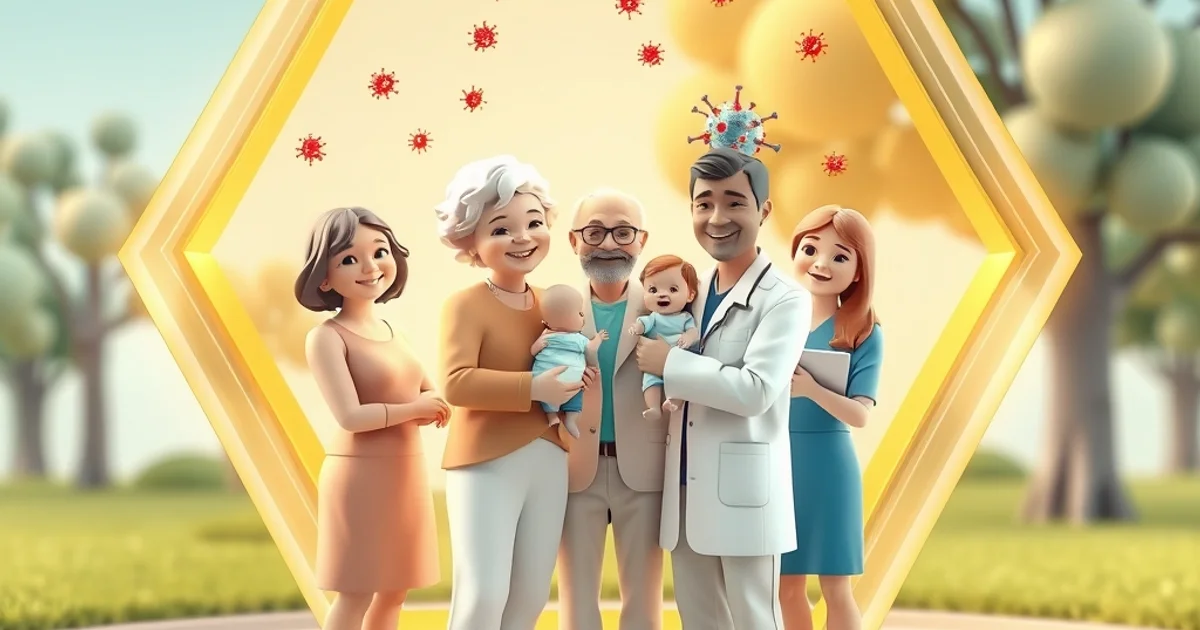
Vaccination Guide: How Vaccines Protect You and Your Community
Explore the comprehensive guide to vaccinations, from the science of active immunity to the vital role of community immunity. Learn why immunization is a lifelong journey that protects both you and the most vulnerable people around you.
Dapatkan Artikel Terbaru!
Berlangganan newsletter kami untuk mendapatkan tips dan insight menarik langsung ke inbox Anda.
Kami tidak akan pernah membagikan email Anda (No Spam).